For unbelievable true sports stories and believable false ones!
-
Buy My Books!
If you enjoy this site, there's a good chance you'll enjoy my books from Plume Publishing (a division of Penguin-Random House Books) Was Superman a Spy? and other Comic Book Legends Revealed! and Why Does Batman Carry Shark Repellent?. Plus, my newest book from Triumph Books, 100 Things X-Men Fans Should Know and Do Before They Die
Here are links to some fine online bookstores where you can order copies of the books!
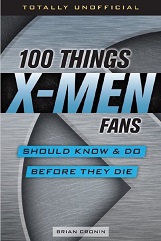
100 THINGS X-MEN FANS SHOULD KNOW AND DO BEFORE THEY DIE
Amazon
Barnes & Noble
Books-A-Million
Powell's Books
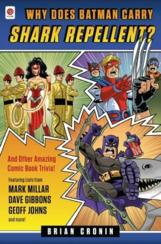
WHY DOES BATMAN CARRY SHARK REPELLENT?
Amazon
Barnes & Noble
Books-A-Million
Powell's Books
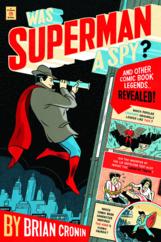
WAS SUPERMAN A SPY?
Amazon
Barnes & Noble
Books-A-Million
Powell's Books
I hope you enjoy the books!
-
 .............................................................
