Did Don Ameche’s Name Used to be Slang for “Telephone”?

Here is the latest in a series of examinations into urban legends about movies and whether they are true or false. Click here to view an archive of the movie urban legends featured so far.

MOVIE URBAN LEGEND: Don Ameche’s name used to be slang for “telephone.”

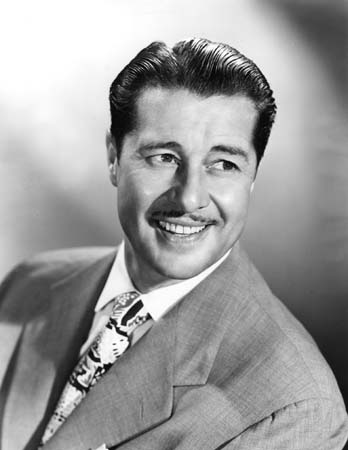
Don Ameche was a popular film star in the late 1930s and early 1940s.

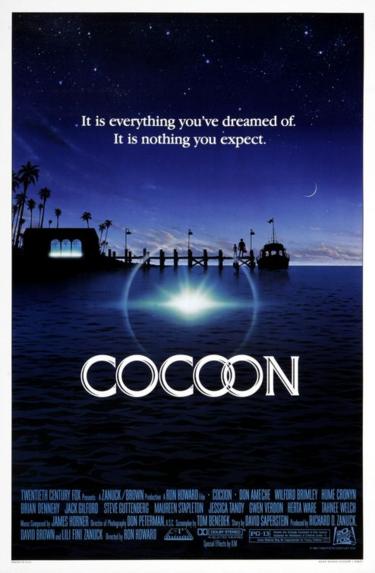
He’s most known today, though, for his career resurgence late in his life, when he starred in the two Cocoon films…

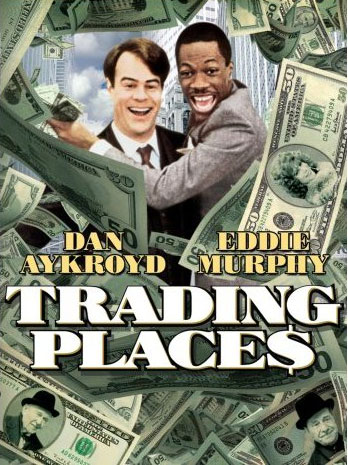
and as one of the two villainous brothers in the Eddie Murphy hit, Trading Places…

Ameche died in 1993, leaving behind a legacy of many fine acting performances (this is not even mentioning his success on the radio, as well).

However, one thing folks probably DON’T remember about Ameche was that it was, for a time, a slang term!
Read the rest of this entry »

Did Steven Spielberg Win a Percentage of the Profits of the First Star Wars in a Bet?

Here is the latest in a series of examinations into urban legends about movies and whether they are true or false. Click here to view an archive of the movie urban legends featured so far.

MOVIE URBAN LEGEND: Steven Spielberg won a percentage of the profits of the original Star Wars film in a bet.

One of the most difficult periods in the creative process for a filmmaker is the period after filming is completed but before the film is released. Once the film comes out, whether it is a hit or not, the creator at least knows where he or she stands. Before it comes out, though, their mind just races with the possibilities. You would be surprised at the massive hit films where their directors were freaking out after the filming was finished about all the things that had gone wrong and how no one was going to go watch the movie that they had just spent months of their life making. It was just this sort of reaction by director George Lucas in 1976 that led to one of the craziest bets in film history.

Read the rest of this entry »

Tags:

March 13th, 2013 | Posted in Movie Legends Revealed | 1 Comment

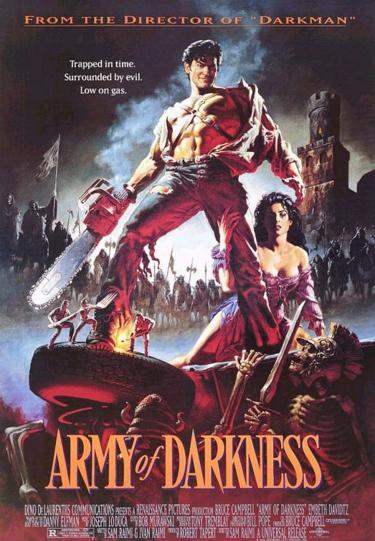
Were the Teenage Mutant Ninja Turtles in Army of Darkness?

Here is the latest in a series of examinations into urban legends about movies and whether they are true or false. Click here to view an archive of the movie urban legends featured so far.

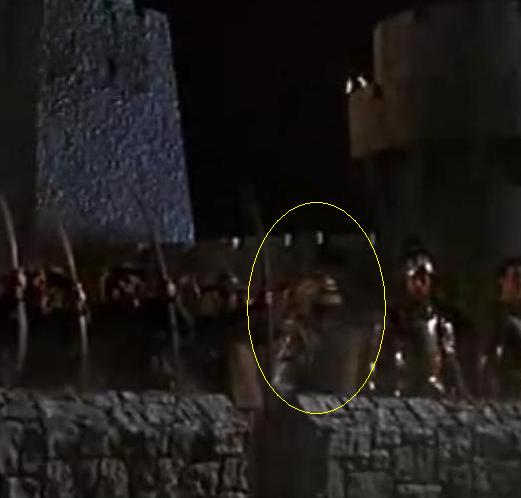
MOVIE URBAN LEGEND: Army of Darkness featured a Teenage Mutant Ninja Turtle as a cameo/joke.

First off, the Teenage Mutant Ninja Turtles were very popular in the first couple of years of the 1990s.

They managed to get THREE films out between 1990 and 1993.

So when Sam Raimi began filming the third Evil Dead film, Army of Darkness, in 1991, the Turtles were definitely all over the place.

Army of Darkness saw our hero, Ash (played by Bruce Campbell) transported into medieval times (he still had to fight evil dead people, of course).

In any event, at the end of the film, when the bad guys are storming the castle in their attempt to capture the Necronomicon (the Book of the Dead), it appears as though someone dressed as a ninja turtle is sneaked into the background of a scene.

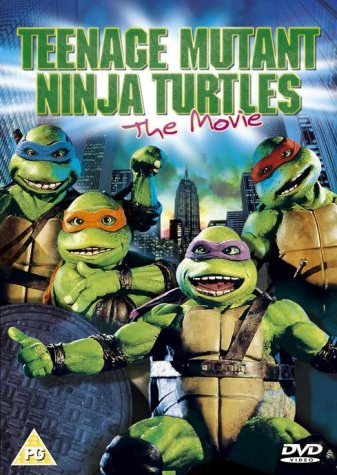
(Here are the Turtles from their film)

This has been repeated as an “Easter egg” (a term given to in-jokes that are hidden in films, as you have to “hunt” for them like Easter eggs) for years, but really, it’s not true.
Read the rest of this entry »

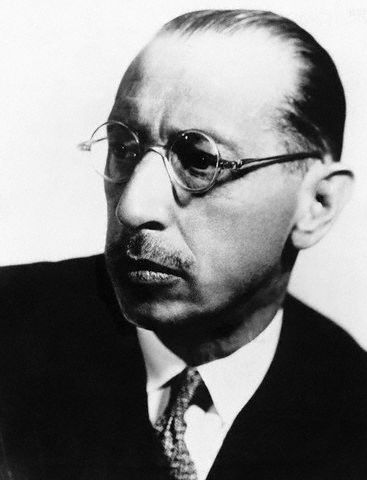
Did Igor Stravinsky Have a Classic Response to a Telegram From Billy Rose?

Here is the latest in a series of examinations into urban legends about music and whether they are true or false. Click here to view an archive of the music urban legends featured so far.

MUSIC URBAN LEGEND: Stravinsky had a particularly cutting telegram retort to a request to have his worked altered by another musician.

Stravinsky ended up moving to the United States around the beginning of World War II. While living in the country (ultimately becoming a naturalized citizen in 1946) and eventually setting up shop in Los Angeles towards the end of the war, Stravinsky did not exactly fully embrace the culture of his new country. While he was quite willing to be paid for his fame/genius, he was less willing to actually get all that involved in productions that did not meet his standards (don’t get me wrong, he’d produce strong work still, and he’d certainly cash the check – but if he did not find the project to be worth his while, he wasn’t going the extra mile, as it were).
Well, in 1944, Billy Rose, famed entertainer and producer, decided to do a sort of vaudeville production (more of a musical than vaudeville, but this was during the time when vaudeville theaters were trying to think of ways to still bring in the old vaudeville crowds who had abandoned them for movies) based on Gilbert Seldes’ 1924 book, The Seven Lively Arts, where Seldes argued that the “low arts” like vaudeville were just as important as the “high arts” like opera.
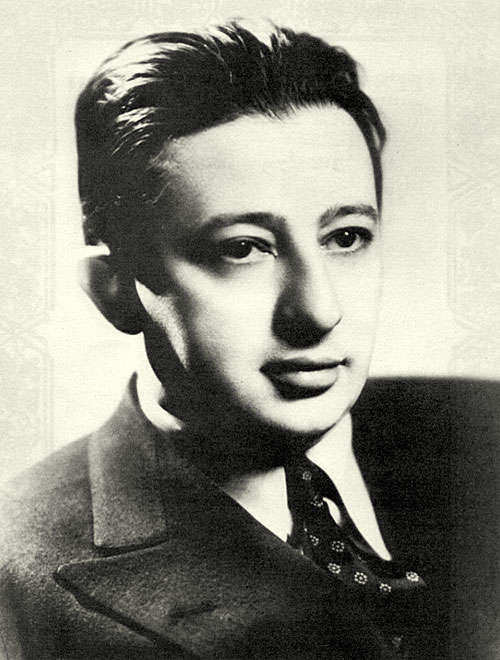
So Rose hit upon the idea of having Cole Porter write a musical that is interspersed with examples of pretty much all the other lively acts. And for the ballet portion of the entertainment, who better than perhaps the most famous ballet composer of the century, Igor Stravinsky?

So he commissioned Stravinsky for a piece, and Stravinsky complied.

Well, Rose liked the piece and felt that it worked well while played on piano, but with the full orchestra, he found it a bit lacking, so he wanted to get Stravinsky’s permission to have Robert Russell Bennett, the famous arranger, who orchestrated the work of basically every famous Broadway composer of the day (Irving Berlin, George Gershwin, Cole Porter) AND the future (Richard Rodgers, Jerome Kern), arrange Stravinsky’s piece for the orchestra.

To do so, Rose devised the politest telegram he could think of to send to Stravinsky in Los Angeles (the production was then in Philadelphis doing previews) to get his permission.

Do note, from here on in, we’re basically left to the reliability of Stravinsky historians. I’ve seen poorly written histories (you know, the type that just print up any story they hear and just prop “allegedly” in front of it or “according to legend”) that don’t get the exact details right, but I’ve also seen a great many quality historians repeat the same, more believable details of this telegram conversation exactly. I think, especially with something that has a real, clear record like a telegram conversation, that it is reasonable enough to believe that the following exchange is for real.

Rose sent the following telegram message :

YOUR MUSIC GREAT SUCCESS STOP COULD BE SENSATIONAL SUCCESS IF YOU WOULD AUTHORISE ROBERT RUSSELL BENNETT RETOUCH ORCHESTRATION STOP BENNETT ORCHESTRATES EVEN THE WORKS OF COLE PORTER

Stravinsky’s telegram response?
Read the rest of this entry »
Did the First Performance of Stravinsky’s “Rite of Spring” Seriously Cause a Riot?

Here is the latest in a series of examinations into urban legends about music and whether they are true or false. Click here to view an archive of the music urban legends featured so far.

MUSIC URBAN LEGEND: Igor Stravinsky’s The Rite of Spring caused a riot upon its first performance.

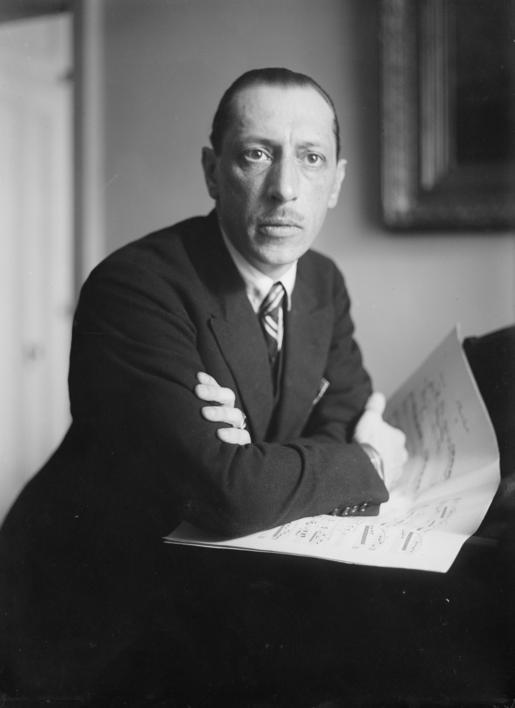
Besides being one of the most famous composers in the history of music (certainly one of the most famous of the past century), Igor Stravinsky (1882-1971) was known for being a bit of a maverick.

Stravinsky first came to international fame in the 1910s with two ballets for his longtime patron, fellow Russian, Sergei Diaghilev, which were performed by Diaghilev’s Ballets Russes (the Russian Ballet, essentially).

These two ballets were The Firebird in 1910 and the Petrushka in 1911.

While both ballets were acclaimed when they debuted in Paris by the Ballets Russes, neither work exactly stood out besides the work of a standard excellent ballet composer.

It was the THIRD work in the trilogy, however, that would make Stravinsky’s name legendary (to the point where if he had died in 1914, we’d still be talking about him today, and the guy lived until 1971, for crying out loud!).

That work was 1913’s The Rite of Spring.

The Rite of Spring was so powerful that Stravinsky actually wrote Petrushka (a light ballet) as an almost remedy to the darkness that surrounded The Rite of Spring.

When the ballet debuted at the Théâtre des Champs-Élysées in Paris in May of 1913, the world did not know what it was getting into.
Read the rest of this entry »
Was Igor Stravinsky Arrested for Adding a Chord to the National Anthem?

Here is the latest in a series of examinations into urban legends about music and whether they are true or false. Click here to view an archive of the music urban legends featured so far.

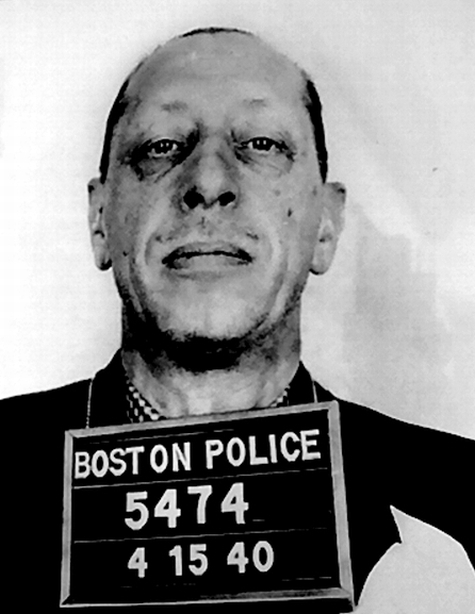
MUSIC URBAN LEGEND: Igor Stravinsky was arrested for adding a chord to the U.S. National Anthem.

Here’s a great picture that goes along with a great story.

In 1940, Igor Stravinsky was arrested by the Boston Police for adding a new chord to an arrangement of the Star Spangled Banner, which was in violation of a Federal Law that says that you cannot mess with the harmonization of the National Anthem of the United States.

It’s a great story and the visual is awesome.

However, it’s totally bogus.
Read the rest of this entry »
Did Ernie Hudson Lose Out On a Role in the Real Ghostbusters Cartoon That He Played in The Actual Ghostbusters Film?

Here is the latest in a series of examinations into urban legends about TV and whether they are true or false. Click here to view an archive of the TV urban legends featured so far.

TV URBAN LEGEND: Ernie Hudson auditioned for the role of Winston on the Real Ghostbusters animated series and did not get the job.

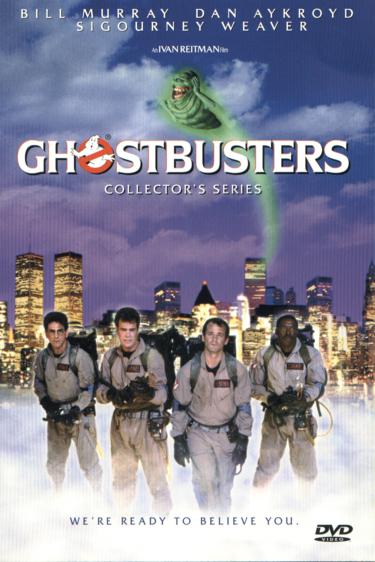
For a generation of kids growing up in the late 1980s, there is a very good chance that their first exposure to the world of the Ghostbusters was not, in fact, the popular 1984 film of the same name starring Bill Murray, Dan Aykroyd, Harold Ramis and Ernie Hudson…

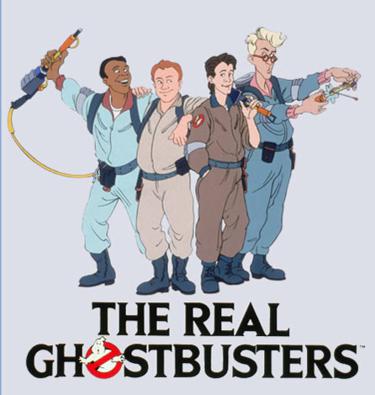
but the animated television series that ran from 1986-1991 (titled The REAL Ghostbusters because of a competing Filmation series called Ghostbusters, which was based on a 1970 animated series called The Ghost Busters).

The animated series adaptation, which was story edited by J. Michael Straczynski (who also wrote a number of episodes) was of a much higher quality than most cartoon adaptations of films. As a result, it hung on for an extended run (five years is an eternity in syndicated cartoon series), although Straczynski departed after the first “season” of 78 episodes due to some changes made to the series (he returned to write a few episodes in 1990 before the series ended).

As is the standard custom for animated adaptations of films, the characters were not voiced by the actors who portrayed them in the film. Lorenzo Music voiced Bill Murray’s character, Peter, Maurice LaMarche voiced Harold Ramis’ character, Egon, Frank Welker voiced Dan Dan Aykroyd’s character Ray and Arsenio Hall voiced Ernie Hudson’s character, Winston. However, did you know that in an odd turn of events, Ernie Hudson actually auditioned to voice Winston? And he lost the role to Arsenio Hall!

Read on to see what happened…

Read the rest of this entry »
Tags: , ,

March 6th, 2013 | Posted in TV Legends Revealed | 7 Comments

Did Rebecca Schaeffer’s Murder Lead to the Cancellation of My Sister Sam?

Here is the latest in a series of examinations into urban legends about TV and whether they are true or false. Click here to view an archive of the TV urban legends featured so far.

TV URBAN LEGEND: Rebecca Schaeffer’s murder led to the cancellation of My Sister Sam.

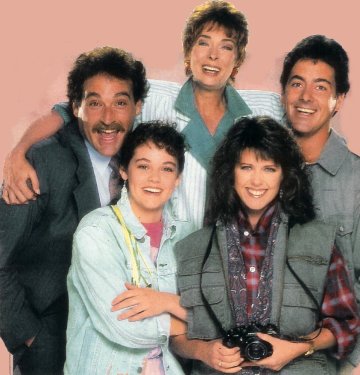
Rebecca Schaeffer was a young actress who first came to prominence on the 1980s sitcom, My Sister Sam.

On the show, which debuted in 1986, the eighteen year old Schaeffer played the sixteen year old sister of Pam Dawber’s character, Sam, who was 29 years old and just starting to make it as a freelance photographer. The show was driven by a mixture of age gap situations and the unsteady relationship of the two sisters, as Sam struggles with basically raising her teen sister – how should she treat her? As a parent? As a friend? Etc.

Horrifically, in July 1989, Schaeffer was murdered by a crazed fanatic, Robert John Bardo outside of her apartment building.

Bardo was obsessed with “pure” female personalities, first with the young peace activist Samantha Smith and upon her death in a plane crash, Schaeffer. He had begun stalking her in 1986, but actually stopped, only to continue again in 1989 after seeing her do a scene in a film where she appeared in bed with a man. He felt that she was now tarnished, so he went to, in his mind, get her side of the story.

He actually used information from news articles about the stalker of another celebrity to get ideas on how to find out where Schaeffer lived.

He found her apartment and confronted her. She was pleasant enough to him but asked him not to see her again. He returned an hour later and, upon not receiving a pleasant enough reaction from Schaeffer, proceeded to shoot her point blank in the chest (Schaeffer shouted “Why?” as she collapsed to the ground).

Baldo drove back to his home in Tuscon, Arizona and tried to then walk into traffic to commit suicide, but was ultimately arrested (he is currently serving life in prison – he was prosecuted by Marcia Clark!). Schaeffer died 30 minutes after the shooting.

A popular belief surround the tragedy was that the show My Sister Sam ended because of Schaeffer’s murder.

That is not the case.
Read the rest of this entry »
How Did an Actor’s Ability to Make a Cappuccino Nab Him a Long-Running Role on Friends?

Here is the latest in a series of examinations into urban legends about TV and whether they are true or false. Click here to view an archive of the TV urban legends featured so far.

TV URBAN LEGEND: James Michael Tyler’s ability to work a cappuccino machine got him a decade-long acting gig.

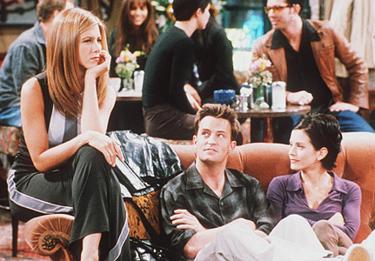
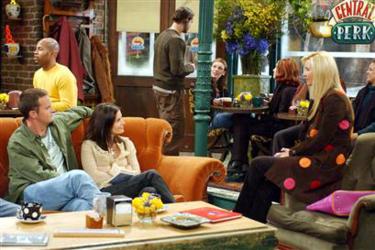
When the television show Friends began in 1994, the characters on the show (which was about, naturally, a group of friends in their mid-20s) often hung out on the couch at a hip coffee shop that was downstairs from their apartments (well, most of their apartments, at least). Jennifer Aniston’s character Rachel even worked there the first two seasons or so.

As you might imagine, constantly filming in a coffee shop setting required a copious amount of extras.

Here’s just two random scenes from the shop, and check out how many extras are in each picture…

So when the show began, there were lots of extras running around playing customers and the workers at the shop (which was called Central Perk, by the way).

Well, one of the issues with having extras playing workers was that they had to actually look like they knew what they were doing, and not many extras did. However, one extra, at least, had experience working in a coffee shop just like Central Perk, so James Michael Tyler was given the job of playing a worker at the shop because he actually knew how to work the cappuccino machine!
Read the rest of this entry »
Tags:

March 4th, 2013 | Posted in TV Legends Revealed | 3 Comments

Did an Episode of “How I Met Your Mother” Contain a REAL Wedding Proposal?

Here is the latest in a series of examinations into urban legends about TV and whether they are true or false. Click here to view an archive of the TV urban legends featured so far.

TV URBAN LEGEND: An episode of How I Met Your Mother contained an genuine wedding proposal!

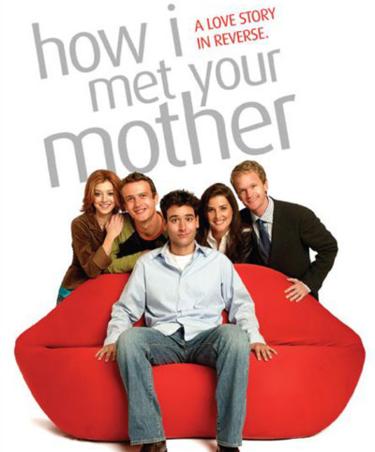
How I Met Your Mother is a TV sitcom that is about a man telling his two children the story of the events of his late 20s and most of his 30s that led to him meeting their mother (the show will finish its run next season after nine seasons – quite a long story!).

One significant “obstacle,” of sorts, is that the first two seasons of the show told the story of how the man, Ted (played by Josh Radnor) fell in love with and ended up having a serious relationship with Robin (played by Colbie Smulders). In fact, the big twist of the first episode (really, for the record, just so you know – this is all going to involve plots from How I Met Your Mother – you might want to quit reading if you don’t want to be spoiled) is that right after Ted professes his love for Robin we learn that Robin is categorically NOT the mother from a voiceover by Future Ted.

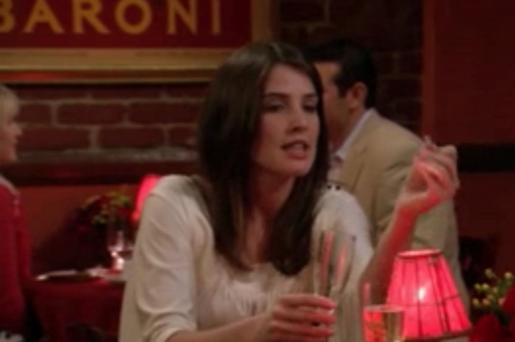
In any event, at the end of Season Two of the series, Ted and Robin (who had been together since the end of Season One) break up. The incident that incites the break-up is that the two are out to dinner when Robin thinks that Ted is proposing to her via a ring in a glass of champagne.

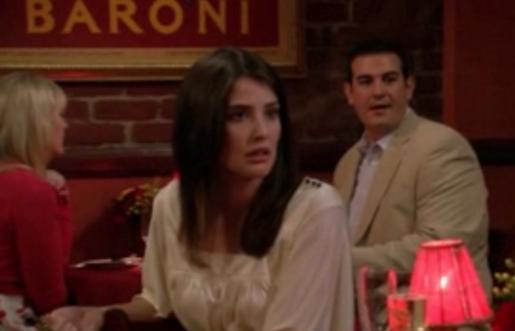
Here she is freaking out over what she thinks is Ted proposing to her.

In the background are two actors eating dinner.

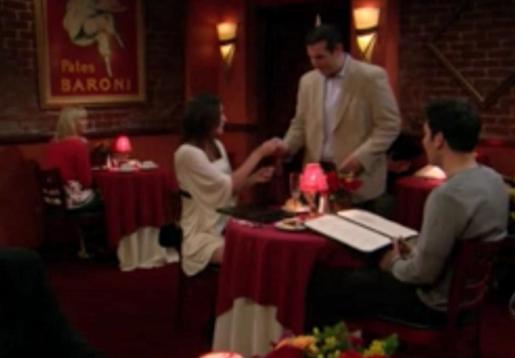
The male actor stands up and says that no, it was HIS ring.

He takes it from Robin…

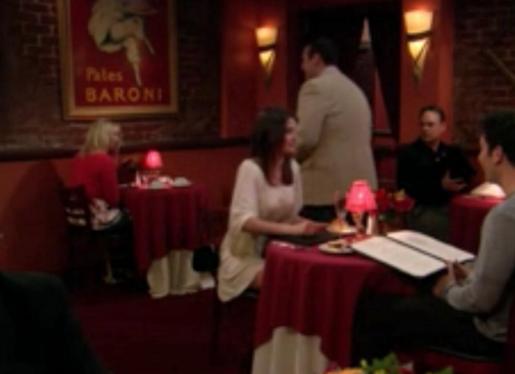
And proceeds to go over…

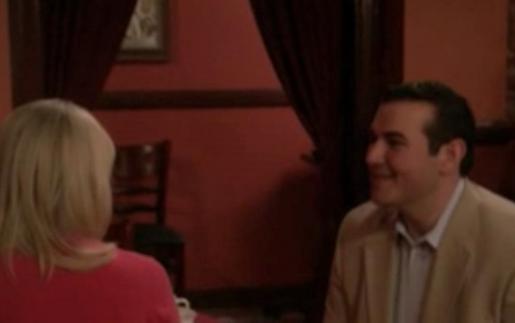
and propose to his date…

It’s a funny enough bit, especially as it establishes that Robin really does NOT want to get married to Ted at this point. However, here’s a twist. That was a REAL proposal!!!
Read the rest of this entry »

Tags:

March 1st, 2013 | Posted in TV Legends Revealed | 1 Comment