Was the Last Episode of Ellery Queen Aired as an Episode of Murder…She Wrote Instead?

Here is the latest in a series of examinations into urban legends about TV and whether they are true or false. Click here to view an archive of the TV urban legends featured so far.

TV URBAN LEGEND: The last episode of Ellery Queen aired as an episode of Murder…She Wrote!

Ellery Queen was (heck, IS) one of the best mystery series of books out there.

The popular book series (“written” by and starring the fictional character Ellery Queen) was a standard “Whodunit?” series, but it was extremely well done.

Such a popular character would eventually end up on TV, and he did, more than once, actually!

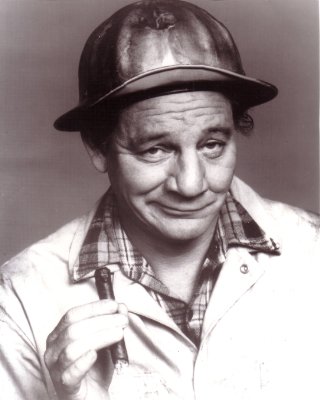
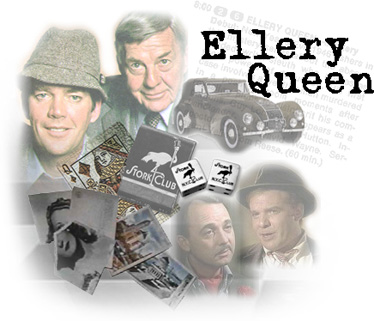
The most recent TV series starring Ellery Queen was written and created by the production duo of Richard Levinson and William Link. The series starred Jim Hutton and Queen and David Wayne as his father. It debuted with a TV movie in 1975 and proceeded to have a 22 episode first season before getting canceled (here’s a nice picture for the series, courtesy of a great Ellery Queen fan site here).
The series was EXCELLENT – it’s a travesty that it took so long to be released on DVD.

In any event, when the series WAS canceled, Levinson and Link had a number of extra (quality) scripts left over. So what to do with them? This is where things get really interesting…
Read the rest of this entry »
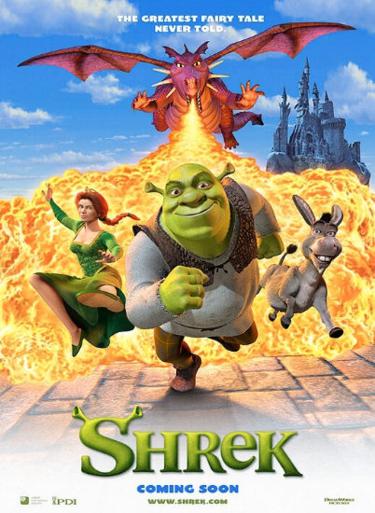
Did Mike Myers Record Almost All of Shrek Before Deciding to Re-Record His Lines With a Scottish Accent?

Here is the latest in a series of examinations into urban legends about movies and whether they are true or false. Click here to view an archive of the movie urban legends featured so far.

MOVIE URBAN LEGEND: Four million dollars worth of animation had to be redone on Shrek when Mike Myers decided to redo all of his dialogue on the film with a Scottish accent.

More than most films, Shrek had a strange journey on its way to earning over a billion dollars at the box office for the four Shrek films (Shrek, Shrek II, Shrek the Third and Shrek Forever After, plus a bunch of spin-offs and TV movies).

Stephen Spielberg originally bought the rights to the 1990 William Steig picture book Shrek! just a year after the book was released. However, it would not be until 1997 that Spielberg’s new company, Dreamworks, would begin production on the film. Originally, the film’s titular giant was to be played by a real life giant of a man, Saturday Night Live star Chris Farley. Sadly, Farley had not yet completed recording his role in the film when he died of a heart attack in 1997. Farley’s former Saturday Night Live castmate Mike Myers was brought in to replace Farley. Myers asked for the script to be rewritten to accommodate his different comedic approach (he and Farley obviously had a much different style). This was done and Myers recorded pretty much his entire role over the course of 1999 (he would record the film in bits and pieces, a scene here a scene there, etc.). In February of 2000, a rough cut of the movie (not yet animated – basically just rough layouts with a little rough animation here and there) was shown to Myers. Myers liked what he saw, except for one “minor” problem…he wanted to re-record all of his dialogue!

Read on to learn his reasoning and to see what Dreamworks had to do to accommodate this request!

Read the rest of this entry »

Tags:

May 22nd, 2013 | Posted in Movie Legends Revealed | 2 Comments

Did Larry David Have Scenes From Early Episodes of Seinfeld Re-Shot to Add Jerry Stiller to Them?

Here is the latest in a series of examinations into urban legends about TV and whether they are true or false. Click here to view an archive of the TV urban legends featured so far.

TV URBAN LEGEND: Larry David had scenes from an earlier episode of Seinfeld re-shot so that Jerry Stiller could play the role of Frank Costanza in all of the Frank Costanza appearances.

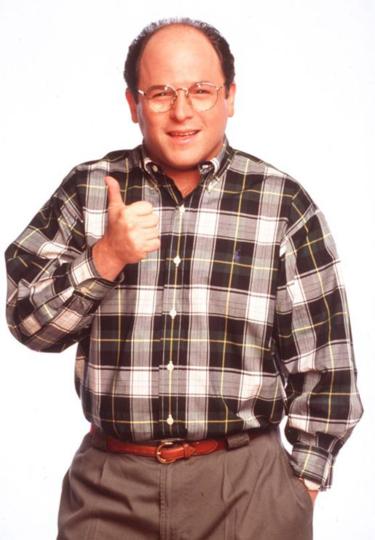
Over the first few seasons of Seinfeld, viewers got to know the eccentricities of Jason Alexander’s George Costanza…

But we didn’t know where he came from – he talked about his parents but we never saw them. Not until May of 1993, at the end of the Fourth Season of Seinfeld, in the episode “The Handicapped Spot.”

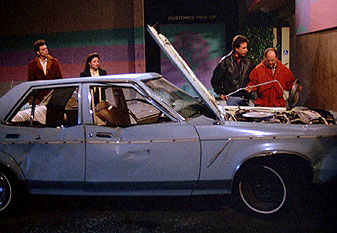
In the episode, George borrows his father’s car but parks in a handicapped spot and, well, hilarity ensues…

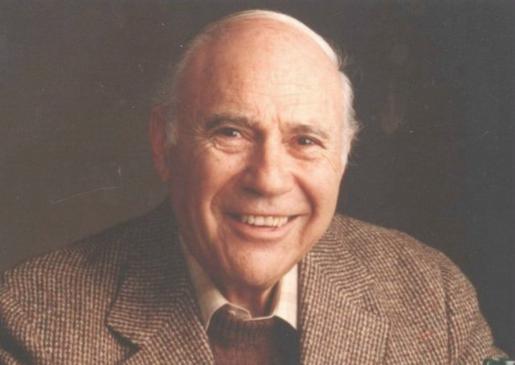
In the episode, naturally, George’s father shows up (as well as his mother, played by Estelle Harris), played by…John Randolph?!?

Yep, the veteran character actor played George’s father in the episode.

In the next season, however, they decided to have George move home with his parents, meaning that Frank and Estelle Costanza would be showing up more frequently, and for whatever reason, they decided to recast Frank Costanza.

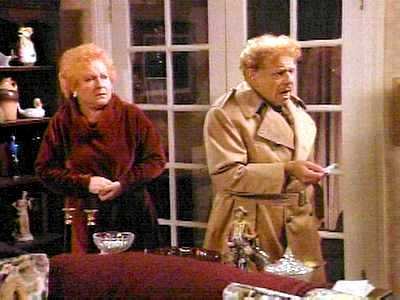
Enter Jerry Stiller.

He and Estelle Harris would go on to become major parts of the series for the rest of the run, and Stiller even got an Emmy nomination out of it.

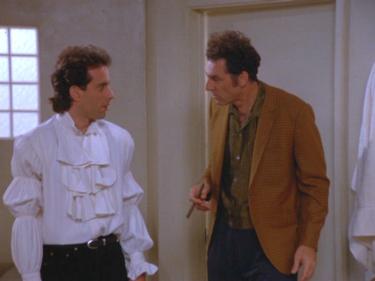
Their first episode was in the second one of Season 5 – “The Puffy Shirt”…

That’s all normal enough so far – actors get re-cast all the time, after all.

Heck, a father of a main character had ALREADY been re-cast!

Jerry Seinfeld’s father on the show, Mort Seinfeld, was already portrayed by two actors.

First Philip Bruns…

then, for the rest of the series, Barney Martin…

However, that changeover happened early in the series, when two things were notable…

1. The show was not a big hit yet, so Larry David did not have as much freedom as he would have in later years and, more importantly,

2. The idea of syndication was more like a dream than a reality that you would plan for.

By the time Season 5 came around, though, things were different. The show was one of the biggest hits on TV, and syndication was clearly coming, so in 1995, David actually came up with a bold idea…
Read the rest of this entry »

Tags:

May 21st, 2013 | Posted in TV Legends Revealed | 2 Comments

Did Julie Newmar Really Come Up With an Especially Cutting Remark to The Wild Wild West’s Michael Dunn?

Here is the latest in a series of examinations into urban legends about TV and whether they are true or false. Click here to view an archive of the TV urban legends featured so far.

TV URBAN LEGEND: Julie Newmar once had a particularly cutting response to a crude remark by Michael Dunn.

After having some notable success in the world of the theater (even winning a Tony Award for Best Supporting Actress), singer/dancer/actress Julie Newmar tried to make it big in the world of television.

In the mid-60s, she landed the role that she is most known for today, playing the sexy Batman villain, Catwoman.

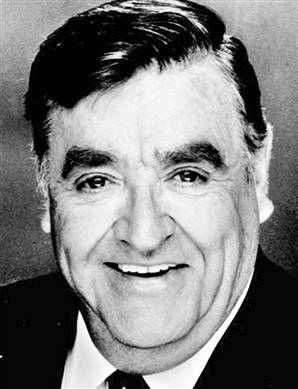
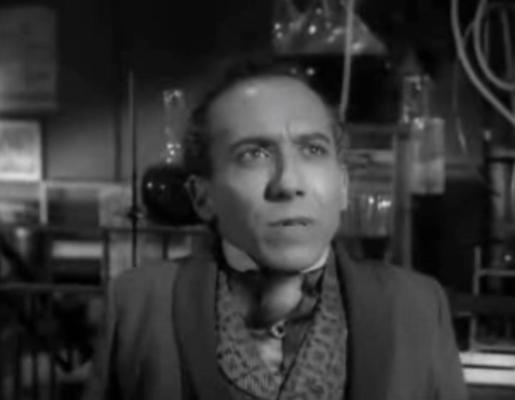
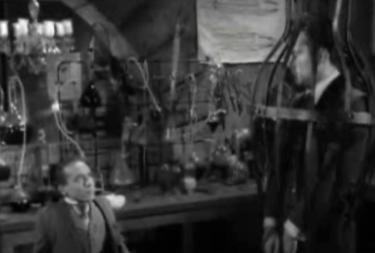
Michael Dunn was a character actor whose most notable role was as the evil Dr. Miguelito Loveless, who was the most famous recurring villain on the TV series, The Wild Wild West…

Loveless made things difficult for Secret Service agents Jim West and Artemus Gordon (here’s West captured by the diminutive despot)…

Okay, now the precise details of the story vary from the telling, but the basic gist of the story is that Dunn, in real life, was making sexual advances upon Newmar (at a party, at a show – wherever).

He told her, “Julie — tonight I’m going to f**k you silly.”

And Newmar supposedly replied, “Michael — if you do, and I find out….”

Is it for real?
Read the rest of this entry »
Did Hugo Boss Really Make Uniforms for the Nazis?

Here is the latest in a series of examinations into urban legends related to fashion and whether they are true or false.

FASHION URBAN LEGEND: Hugo Boss produced uniforms for the Nazis.

Hugo Ferdinand Boss started his first clothing business in the early 1920s, when Boss was in his early 40s.

By 1930, Boss was forced to declare bankruptcy.

In 1931, Boss joined the National Socialist party.
Read the rest of this entry »
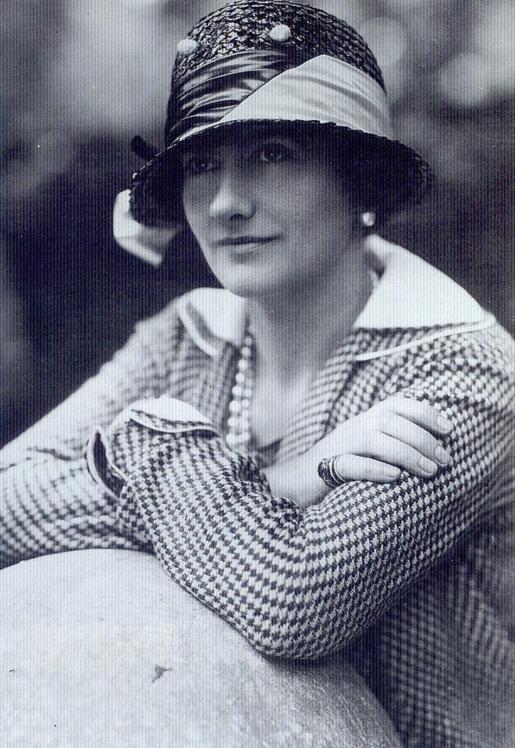
Did Coco Chanel Really Come Up With Two Famous Comebacks?

Here is the latest in a series of examinations into urban legends related to fashion and whether they are true or false.

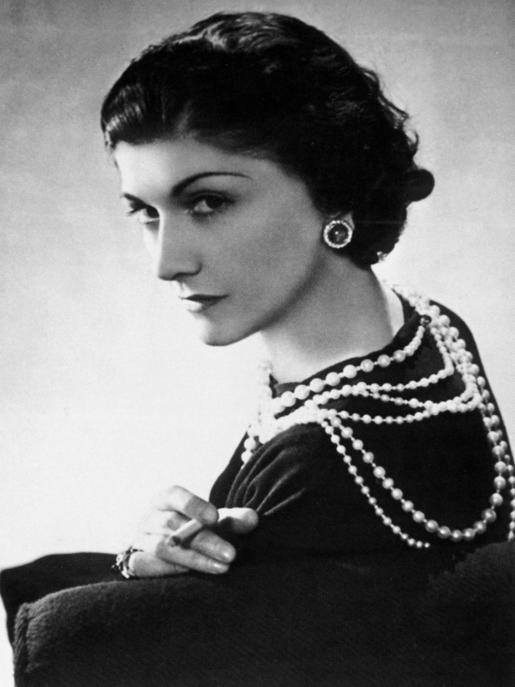
FASHION URBAN LEGEND: Coco Chanel had two legendary retorts to a marriage proposal by the Duke of Winchester and to a query by Poiret.

If you went looking for the best example of the “cult of personality,” you could do a lot worse than picking Coco Chanel.

An icon of style – the Chanel that Chanel No. 5 is named after, Chanel was named one of Time Magazine’s 100 Most Influential People of the 20th Century.

Part of her imposing position on the world stage is that stories tended to be written about Chanel, whether they were true or not.

This was something that Chanel herself fostered, as she was known to come up with some good ones on her own (like dropping ten years from her age or inventing a childhood spent with spinster aunts in a story that sounded like out of Cinderella).

Today, let’s look at two of the more notable quotes attributed to Chanel!
Read the rest of this entry »
Did the BBC Buy the Trademark to Blue Police Boxes From the Metropolitan Police?

Here is the latest in a series of examinations into urban legends about TV and whether they are true or false. Click here to view an archive of the TV urban legends featured so far.

TV URBAN LEGEND: Did the BBC buy the trademark to blue police boxes from the Metropolitan Police?

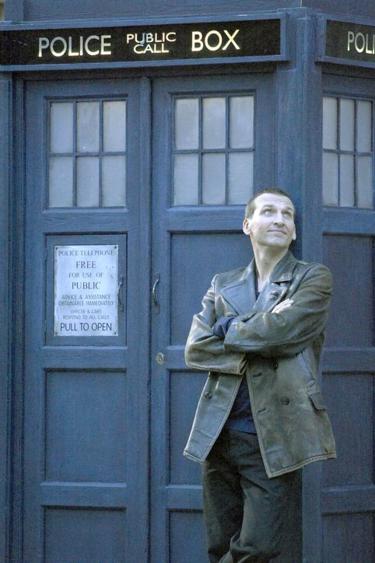
When the first episode of Doctor Who was written in 1963, one of the biggest points of debate was over what Doctor Who’s time machine would look like. Eventually, they determined that it would look like a police box. Police boxes were little blue concrete rooms that were, in effect, miniature police stations. First created in the United States, they began appearing in the United Kingdom by the turn of the 20th Century. The most iconic blue version of the London police box was introduced in 1929. The police box contained telephones in them that would connect directly with British police stations. This way, police officers would be able to contact their stations whenever they would need to and in addition, through a light at the top of the box, they could be notified when they needed to go to the police box themselves when the station was trying to contact them. In addition, the public could also use the phones to notify the police of crimes (the boxes also carried first aid kits). By the 1950s, London was covered with police boxs, nearly 700 of them dotted the streets. Therefore, if you wanted your time machine to fit in in London in 1963, disguising it as a police box would be a great idea. The police box is revealed in the series to actually be a TARDIS (Time and Relative Dimension in Space), which is exponentially bigger once you enter than what it appears like on the outside. It is simply camouflaged as a police box so as to be able to blend in. However, in the first episode, the camouflaging technology malfunctions, leaving the TARDIS stuck in the form a police box. There was some debate over possibly having the TARDIS disguise itself as different objects as the series went along, but for whatever reason (almost assuredly reasons of cost, but I don’t know that for a 100% certainty) they decided to stick with it just being a police box. Legend has it that the very first Doctor Who TARDIS was a re-used prop from the popular British police television drama Dixon of Dock Green (which was, in turn, based on the 1950 British police film, The Blue Lamp), where Jack Warner played Police Constable George Dixon for decades. This is not true (wow, two legends debunked for the price of one! Lucky readers!). Production designer Peter Brachacki built the police box used in the first episode of Doctor Who (which was then used for the first thirteen seasons of the show).

Anyhow, another legend about the TARDIS is about who owns the trademark to the TARDIS. A common bit of Doctor Who trivia is the following (I got it from this Doctor Who site, but I’ve seen it in plenty of places):

The BBC actually owns the copyright to the design of the Police Box used as the design for the TARDIS. It was bought from the Metropolitan Police.

Besides using the term “copyright” when they mean “trademark” (a common mistake and not one worth making a fuss about), the first part of the trivia is correct. However, how the BBC got the trademark is a lot more complicated than that! Read on to learn how they got it!
Read the rest of this entry »
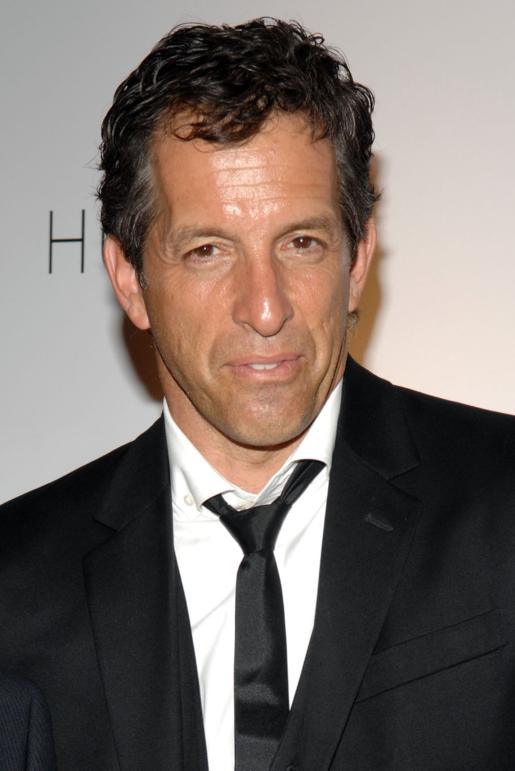
Did Kenneth Cole Launch His Company By Inventing a Fake Film Company for New York’s Fashion Week?

Here is the latest in a series of examinations into urban legends related to fashion and whether they are true or false.

FASHION URBAN LEGEND: Kenneth Cole came up with a rather…enterprising way of getting his product to the masses at Market Week when he began his company.

Kenneth Cole was not yet 30 years old when he formed his company in 1982. Cole had spent a long time (and basically all of his money) in Europe designing and producing shoes and now he had a ton of shoes, a company name, Kenneth Cole Incorporated, and that’s about it.

He had no money for a storefront and no real in road at getting his new shoe company out to the people.

However, upon returning to New York in 1982, he knew that he was going to try to make his splash at Market Week. He just wasn’t sure how. Read on to see the outrageous idea he came up with!
Read the rest of this entry »
Was There an Alternate Ending to Scarface Filmed (Without the Film’s Star) to Appease the Censors?

Here is the latest in a series of examinations into urban legends about movies and whether they are true or false. Click here to view an archive of the movie urban legends featured so far.

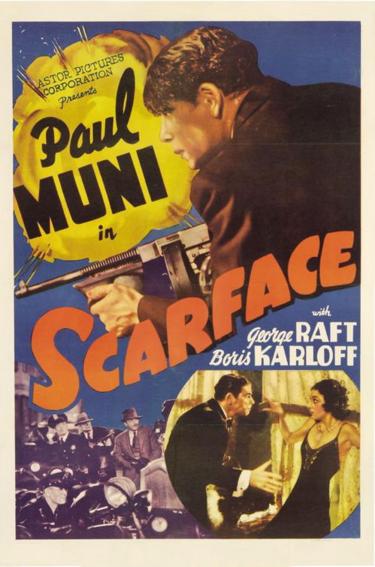
MOVIE URBAN LEGEND: Howard Hughes filmed an entirely different ending to Scarface (withOUT actor Paul Muni) to help appease censors.

Howard Hughes’ 1932 smash hit, Scarface, continued in Hughes’ string of screen hits that he produced that pushed the boundaries of censorship in the various states of the U.S. (this was all before the film industry decided to censor itself – back then, each state had their own censorship laws for films).

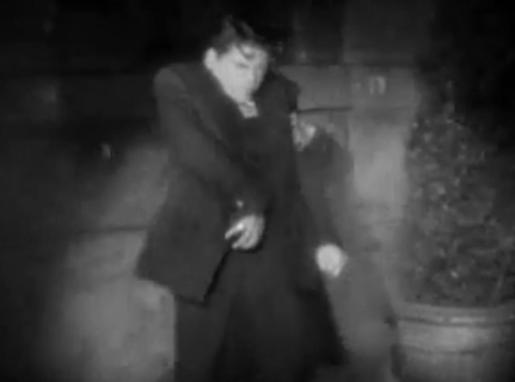
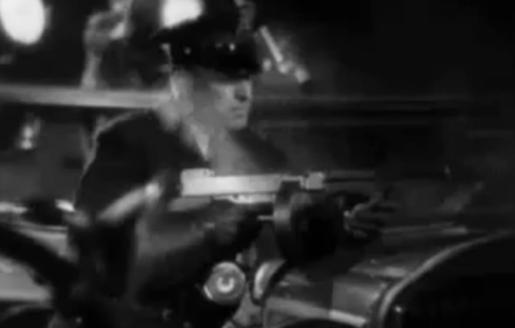
In the ending of the film (a fictionalized account of the life of Al Capone), Antonio “Tony” Camonte (played by Paul Muni), escapes police custody and is tracked down. He refuses to surrender and is instead gunned down in a blaze of gunfire.

Director Howard Hawks directs the conclusion of the film brilliantly, if violently.

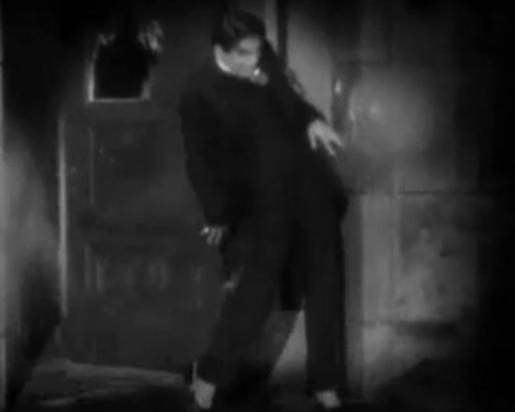
Here, Tony is struck by police bullets…

See as he gets knocked around by the gunfire…

Here are the police firing on him…

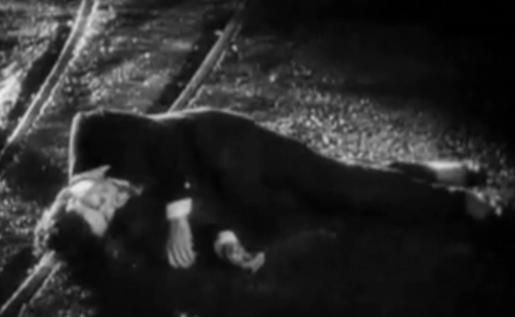
Finally, his dead body lies on the ground…

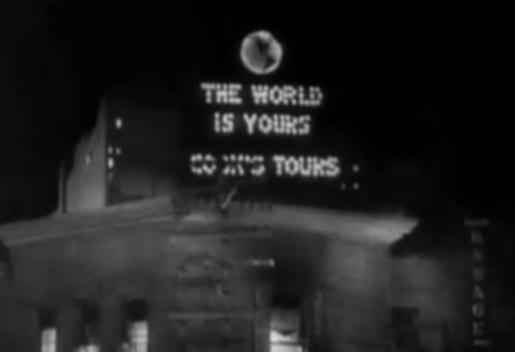
And Hawks beautifully pulls up and we see a sign on a billboard, almost mocking Tony’s death…

And that is how the film ends, with a close-up of the billboard…

It’s a wonderful ending by Hawks.

The problem was, it was deemed far too violent (not to mention that it seemed to show Tony’s defiance of the police in a bit too positive of a light – almost like he was heroic to take on the police).

Hughes decided that his desire for a hit film outweighed any artistic problems he had with the censorship of the film, and since he could certainly afford the costs of doing so (being, you know, really rich and all), he re-shot a brand-new, censor-geared ending of the film, without Hawks’ presence (or permission).
Read the rest of this entry »
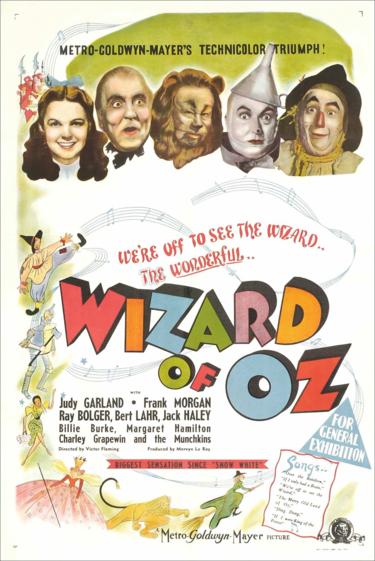
Did the Scarecrow Accidentally Light Himself on Fire During the Filming of Wizard of Oz?

Here is the latest in a series of examinations into urban legends about movies and whether they are true or false. Click here to view an archive of the movie urban legends featured so far.

MOVIE URBAN LEGEND: Ray Bolger occasionally set himself on fire while on set during the filming of the Wizard of Oz.

Ray Bolger was already a Broadway song and dance star by the time he took the role of the Scarecrow in 1939’s The Wizard of Oz, but let’s be honest, we know (and he knew) that he will forever be known as the Scarecrow – which is certainly a fine legacy for any actor.

The extensive costuming for the film took up a whole lot of Bolger’s time, and it had other side effects, as well, most notably the effect it had upon his smoking habit.

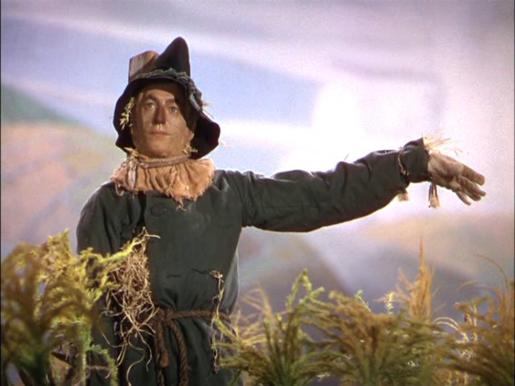
As you can see, the Scarecrow’s costume is filled with dry straw like an actual Scarecrow…

Well, naturally, all the adult actors on the film smoked cigarettes (who didn’t back then?), and that caused a problem with Bolger’s costume.
Read the rest of this entry »