Was the Vietnam Veterans Memorial Originally Designed as a School Project?

Here is the latest in a series of examinations into urban legends related to architecture and whether they are true or false. Click here to view an archive of the architecture urban legends featured so far.

ARCHITECTURE URBAN LEGEND: The Vietnam Veterans Memorial was originally designed as a school project at Yale!

In 1980, Maya Ying Lin was a senior at Yale University studying to be an architect when she, and seven other students, embarked on a senior seminar about funerary architecture (architecture about stuff like gravestones, tombs, etc.) Yale gave students the option of either doing a senior thesis or have a senior seminar, if they could persuade a faculty member to teach it. The students convinced Professor Andrus Burr to teach the class.

Towards the end of the year, there was an announcement made about the creation of a memorial for veterans of the Vietnam War. The architect for the memorial would be decided by a contest. The students felt that it would make for a great assignment to have each student design a memorial – that certainly would fit in with funerary architecture, after all! So the students traveled to Washington D.C. to look at the space where the memorial would be, and Lin came up with the idea of what would essentially be a rather large tombstone, that would dig into the earth almost like a black scar.

She sketched out her design and attached her description of what the memorial was meant to evoke in visitors to it (basically, a sense of sadness) and she handed it in for her class grade AND she, like most of her classmates, entered her design into the competition for the design of the memorial.

A very interesting aspect of the contest was that it was a blind competition – there were no names attached, each entry was simply numbered. Really, that was the only way a college senior could possibly have a chance at winning such a contest.

How did she do?
Read the rest of this entry »
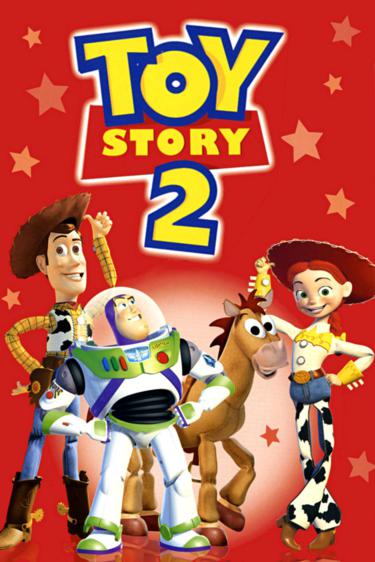
Was Nearly All of Toy Story 2 Accidentally Deleted Nine Months In Due to a Pair of Computer Errors?

Here is the latest in a series of examinations into urban legends about movies and whether they are true or false. Click here to view an archive of the movie urban legends featured so far.

MOVIE URBAN LEGEND: During work on Toy Story 2, the vast majority of the film was accidentally deleted due to a pair of computer errors.

Ever since computers became the primary place where work was done (both in school and in business) there have been horror stories about people losing their work due to some sort of mistake (an accidental deletion, a computer crashing, a power outage, whatever). These horror stories have been part of the popular culture as long as computers have been part of the popular culture. I happened to catch an episode of A Different World recently from 1988 where Denise Huxtable loses a term paper she was writing on a computer (luckily, Dwayne Wayne recovers it for her). Rarely, though, do these horror stories come close to the sheer terror of the time that Pixar accidentally deleted roughly 90% of Toy Story 2 back in 1998.

Read on to see what happened!
Read the rest of this entry »

Tags: ,

April 24th, 2013 | Posted in Movie Legends Revealed | 2 Comments

Was an Actor Nearly Denied Appearing in the Film Philadelphia Because of His HIV Status?

Here is the latest in a series of examinations into urban legends about movies and whether they are true or false. Click here to view an archive of the movie urban legends featured so far.

MOVIE URBAN LEGEND: An actor was almost denied appearing in the film Philadelphia because of his HIV status.

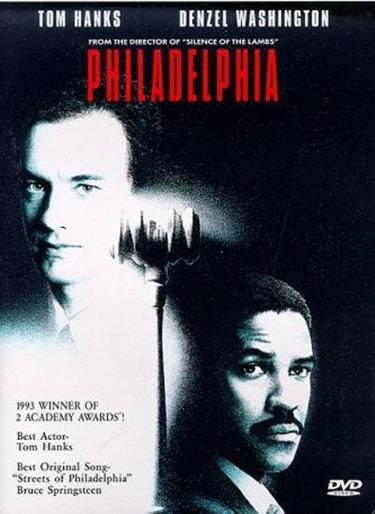
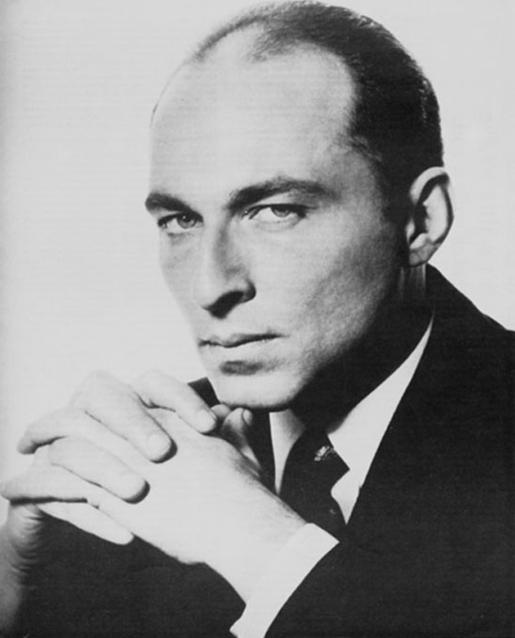
Ron Vawter does not have a very large role in the film, Philadelphia, but he has some key scenes (he plays a partner who acknowledges that he suspected/knew that Hanks’ character had AIDS and did nothing about it).

Vawter also appeared in Philadelphia director Jonathan Demme’s previous film, The Silence of the Lambs.

However, Vawter almost did not get the role in Philadelphia, and for a movie about a man being treated unfairly because of having AIDS, it was for an odd reason – it was because Vawter was HIV positive.

Because he was HIV positive, the insurance company for the film would not insure him, and because he was not insured, TriStar (the company that made the film) refused to cast him.

Demme, though, stood up for his choice, and insisted that he be included, not only because he was Demme’s choice, but because the irony of turning him down was just too much for Demme to live with. TriStar eventually backed down.

Vawter actually WOULD become ill right as filming began, but Demme actually re-scheduled the filming of the movie so as to give Vawter time to recover, which he did.

Sadly, Vawter was just too weakened from various treatments over the years, and in 1994, just a month or so after Hanks won the Academy Award for Best Actor for the film, Vawter suffered a fatal heart attack on a flight to New York from Switzerland.

All in all, of the 50 or so openly gay people cast in the film Philadelphia, at least 40 of them were dead by 1995.

That’s pretty damn tragic.

The legend is…

STATUS: True

Feel free (heck, I implore you!) to write in with your suggestions for future installments! My e-mail address is bcronin@legendsrevealed.com.

Did Tom Hanks’ Oscar Acceptance Speech for Philadelphia Inspire the Film In and Out?

Here is the latest in a series of examinations into urban legends about movies and whether they are true or false. Click here to view an archive of the movie urban legends featured so far.

MOVIE URBAN LEGEND: Tom Hanks’ acceptance speech at the Academy Awards inspired the movie In & Out.

In 1994, Tom Hanks won the Academy Award for Best Actor for his performance in the film, Philadelphia, where Hanks plays a lawyer who was fired from his firm for having AIDS.

As Hanks accepted the award, he mentioned, among others, his high school drama coach Rawley Farnsworth, and his former classmate John Gilkerson, “two of the finest gay Americans, two wonderful men that I had the good fortune to be associated with”

Hanks had asked permission of both men to mention them, but I’m unsure if he specified to Farnsworth that he was going to mention that Farnsworth was gay – I find it extremely difficult to believe that it was a surprise to Farnsworth that Hanks was going to reference his being gay (just like I find it hard to believe that Hanks wouldn’t have mentioned to Farnsworth that he was going to mention it).

In any event, the speech DID strike a nerve with producer Scott Rudin (who produced Philadelphia), who thought, “What if the teacher in question was still working?”
Read the rest of this entry »

Tags:

April 22nd, 2013 | Posted in Movie Legends Revealed | No Comments

Did FedEx Pay For Product Placement in the Film Cast Away?

Here is the latest in a series of examinations into urban legends about movies and whether they are true or false. Click here to view an archive of the movie urban legends featured so far.

MOVIE URBAN LEGEND: FedEx paid to have their products appear in the film Cast Away.

SPOILERS AHEAD FOR THE FILM CAST AWAY!!

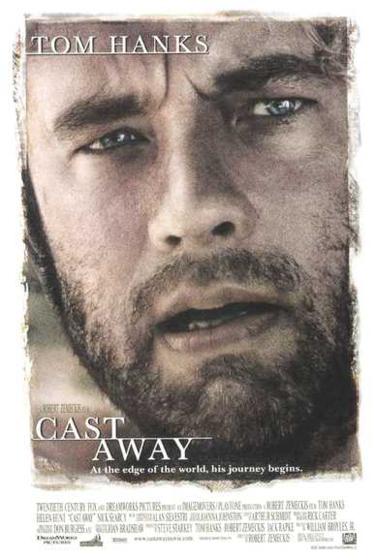
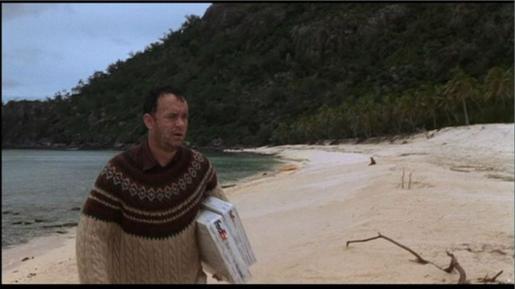
In the Tom Hanks’ film, Cast Away, Hanks’ character works for the shipping company Federal Express (FedEx).

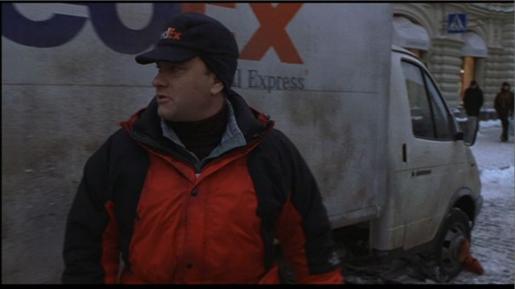
We see Hanks early in the film working with the company…

And when Hanks’ character (Chuck Nolton) is stranded on the deserted island, it happens after he is riding on a FedEx delivery plane.

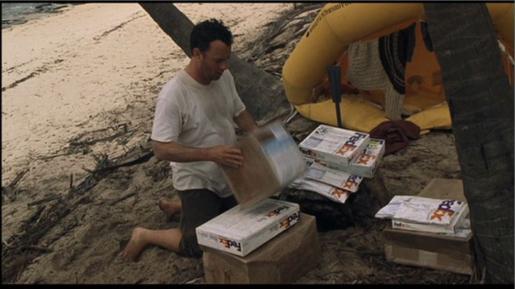
As a result, he uses what FedEx packages that he can scavenge from the crash to help him survive on the island.

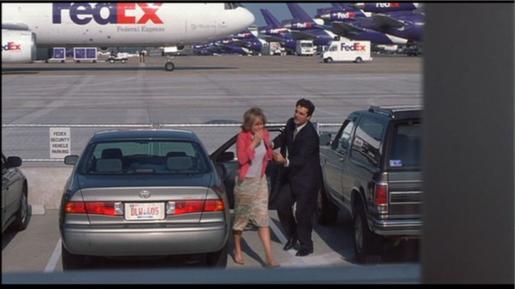
Later, when he returns to the “real” world, he is taken to a FedEx headquarters (here we see his former fiancee, who is quite emotional about his return, especially since she has since remarried and had a kid)…


We even meet the actual CEO of FedEx at this point.

In any event, most folks naturally assumed that FedEx had a product placement arrangement with the film.

But DID they?
Read the rest of this entry »
Tags:

April 19th, 2013 | Posted in Movie Legends Revealed | 4 Comments

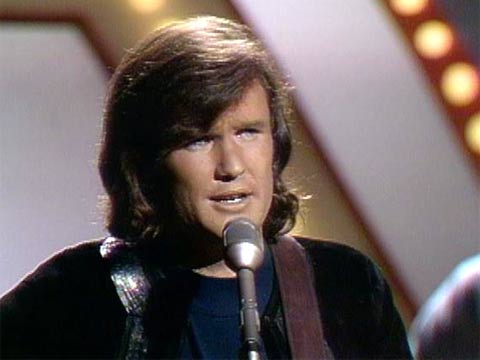
What Dramatic Method Did Kris Kristofferson Use to Get Johnny Cash to Pay Attention to His Demo Tapes?

Here is the latest in a series of examinations into urban legends about music and whether they are true or false. Click here to view an archive of the music urban legends featured so far.

MUSIC URBAN LEGEND: Kris Kristofferson used a highly dramatic method of getting Johnny Cash to pay attention to his demo tapes.

Kris Kristofferson got into the music industry relatively late in life. He was a trained helicopter pilot and served in the United States Army during the early 1960s. While stationed in Germany during the 1960s, he got together his first band and continued writing songs – something he first started doing while he was attending Oxford on a Rhodes Scholarship in the late 1950s. While at Oxford, he received a graduate degree in English Literature. He ended his tenure with the Army in 1965 at the age of 32. He turned down an opportunity to teach English Literature at West Point to pursue a career in music.

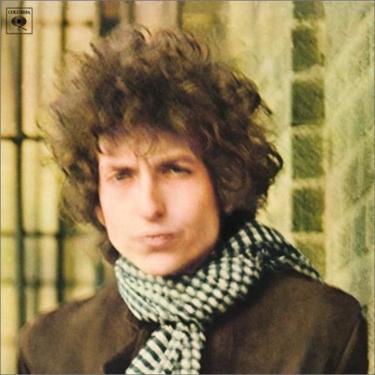
So Kristofferson got a job down in Nashville, doing different sorts of odd jobs while trying to make it in the music business. One job was as a janitor at Columbia Record’s recording studio in Nashville. Very early on in his tenure there, he was present when Bob Dylan came down to Nashville to record songs for Blonde on Blonde.

Kristofferson was not so forward as to actually TALK to Dylan, as, after all, that likely would have gotten him fired, especially as he had just started. However, over the next couple of years, as he continued to work at the studios there in Nashville, he got to know Johnny Cash a little bit, as Cash would use those studios frequently. Again, Kristofferson knew he couldn’t give Cash his demo tapes, because that was crossing a line that you just don’t cross – however, he would get around it by handing his demos to Luther Perkins (Johnny’s guitarist) or June Carter. Years later, Cash would say that he got the tapes, but he threw them all away.

Kristofferson continued flying helicopters professionally, and late in the decade, he got a job with the National Guard. As part of his duty, he had access to a helicopter during the weekend.

Well, remarkably enough, Kristofferson actually used his helicopter one day to travel to Johnny Cash’s home and land in his backyard – all to give him a demo tape!!
Read the rest of this entry »
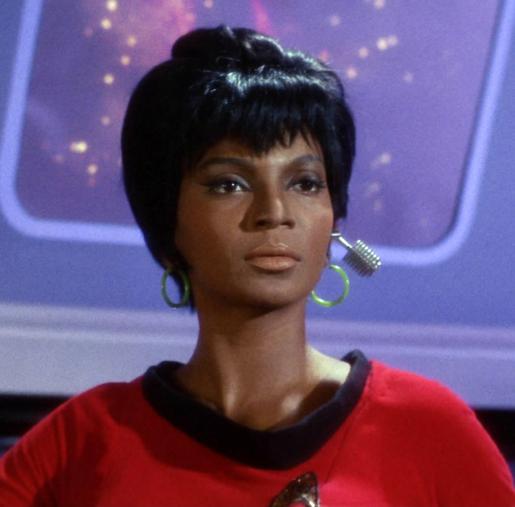
Did Martin Luther King Jr. Keep Nichelle Nichols From Leaving Star Trek After the First Season of the Show?

Here is the latest in a series of examinations into urban legends about TV and whether they are true or false. Click here to view an archive of the TV urban legends featured so far.

TV URBAN LEGEND: Did Martin Luther King Jr. keep Nichelle Nichols from leaving Star Trek after the first season of the show?

One of the things that we often overlook with regards to television audiences, especially in the modern era of channel diversification where there are so many more cable channels with original programming that the percentage of the viewing audience that even the most popular shows receive is seemingly quite small, is that even the least popular television shows on the non-cable channels are still seen by a relatively large amount of people. The recently canceled television drama Zero Hour, which had the worst debut of a scripted television program in ABC history, was still seen by over six million people! So as a result, it is quick to forget that even when your show is struggling in the ratings it is still reaching a large audience and possibly having a major effect on them. This is what Nichelle Nichols…

learned in 1967 when she decided to leave Star Trek after the show’s first season

only to be talked out of it by a very famous fan of the show that she never knew watched the series…Martin Luther King, Jr.!

Read on to see how it happened…
Read the rest of this entry »
Tags:

April 17th, 2013 | Posted in TV Legends Revealed | 9 Comments

Are the Trees From Joshua Tree and “One Tree Hill” Really BOTH Dead?

Here is the latest in a series of examinations into urban legends about music and whether they are true or false. Click here to view an archive of the music urban legends featured so far.

MUSIC URBAN LEGEND: Both the trees in Joshua Tree AND “One Tree Hill” have since died!

Yucca brevifolia is the technical term for the species of plant that grows in the American West that is more commonly known as either a Yucca palm or a Joshua Tree.

The term “Joshua Tree” comes from Mormon settlers who thought that the plant reminded them of a Bible story involving Joshua having his hands outstretched in prayer.

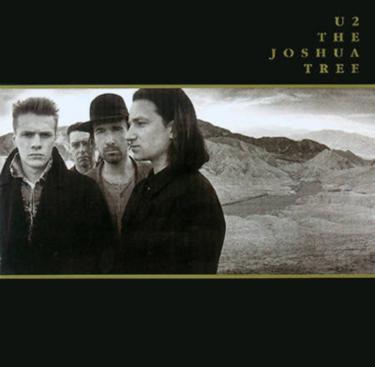
In any event, the plant was the title of the highly acclaimed hit 1987 album by U2, The Joshua Tree.

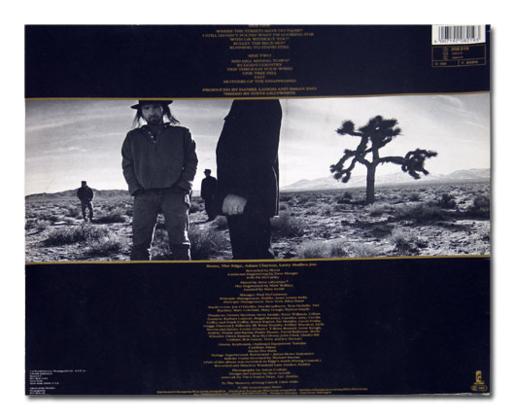
Photographer Anton Corbijn took a series of photos of the group in the Mojave Desert, centered on one “Joshua Tree” in particular, which you can see on the back cover of the original vinyl album…

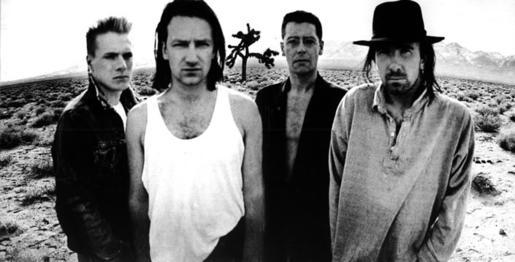
and on this picture of the band (there are tons of photos of the band around the tree)…

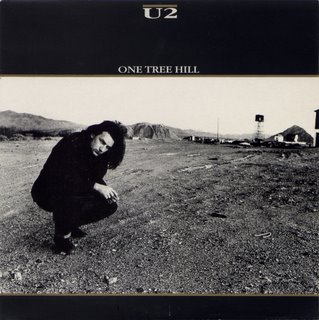
On that same album, the song “One Tree Hill” appears…

This single was released only in New Zealand (in North America, the single was “God’s Country” – the photo on the cover is the same for both singles).

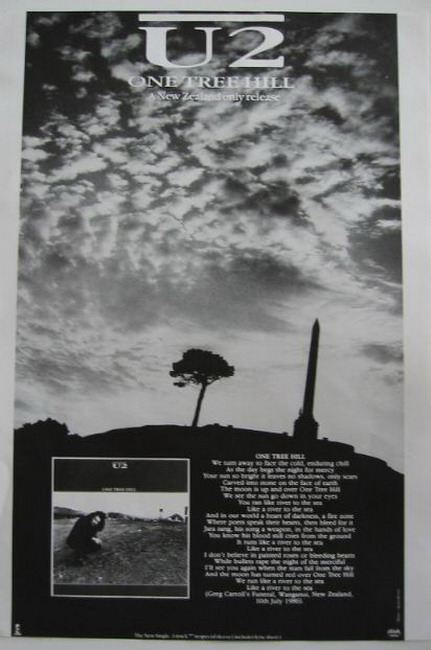
This was because the song was written about a New Zealand native, Greg Carroll, who was Bono’s personal assistant. He died in 1986 in a motorcycle accident (I believe he was retrieving Bono’s bike for him). The whole album was dedicated to Carroll, but specifically, this song was written for him and released as a single in Carroll’s homeland.

The location that the name of the song is taken from was One Tree Hill, a volcanic peak in Auckland, New Zealand. It is called “One Tree Hill” because a lone Monterey pine tree stood on the hill.

Well, amazingly enough, since the 1987 release of the album, BOTH trees have died!!!
Read the rest of this entry »
Did William Zanzinger Really Murder Hattie Carroll By Beating Her to Death With a Cane?

Here is the latest in a series of examinations into urban legends about music and whether they are true or false. Click here to view an archive of the music urban legends featured so far.

MUSIC URBAN LEGEND: William Zanzinger murdered Hattie Carroll by beating her to death with a cane.

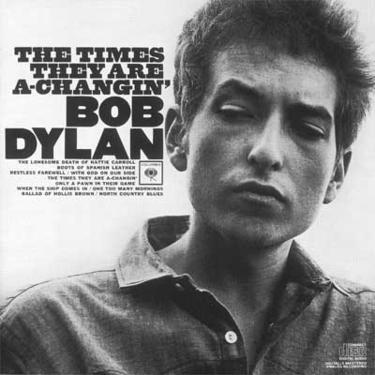
“The Lonesome Death of Hattie Carroll” is a song that appears on Bob Dylan’s 1964 album, The Times They Are A’Changin’…

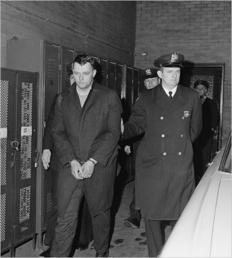
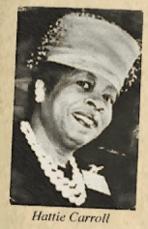
The tune tells the story of the murder of Hattie Carroll by William Zanzinger, and it is based on the real life death of Hattie Carroll after being struck by a cane by William Zantzinger (Dylan dropped the T for some reason).

The song is a sad re-telling of the events, while noticeably avoiding actually mentioning that Carroll was black and Zan(t)zinger was white, leaving it to the listener to discern that for his/herself, while ending each verse by saying, “But you who philosophize disgrace and criticize all fears/Take the rag away from your face/
Now ain’t the time for your tears.” until the end of the song, when we learn that Zan(t)zinger receives only a six-month sentence, and THEN Dylan tells us, “Oh, but you who philosophize disgrace and criticize all fears/
Bury the rag deep in your face/For now’s the time for your tears.”

Let me get something straight off the bat. William Zantzinger (who passed away a few years back) does not appear to be a very pleasant individual. In fact, he sounds like a rotten scoundrel. Just in the last few decades, Zantzinger sued (and won) awards from tenants in shanties that he owned for back rent – the only thing was, he had not owned the properties for YEARS, as the Maryland government had foreclosed on the properties years earlier for Zantzinger’s constant violations of county health codes. He sure seemed to be an awful man.

However, as awful as he was – Dylan exaggerates what happened in the song so much that I think he basically gives a false recitation of the facts and has caused listeners over the years to have a false idea of what actually happened at the lonesome death of Hattie Carroll.
Read the rest of this entry »

Was NBC’s “Must See TV” Really Created For Their Thursday Night Lineup?

Here is the latest in a series of examinations into urban legends about TV and whether they are true or false. Click here to view an archive of the TV urban legends featured so far.

TV URBAN LEGEND: NBC’s “Must See TV” was created for its Thursday night sitcom lineup.

The first time that Thursday nights were treated as something special at NBC was in the 1982-83 Fall Season, when the ratings-challenged network began to tout its Thursday night lineup as a critical bonanza.

The night had the following shows…

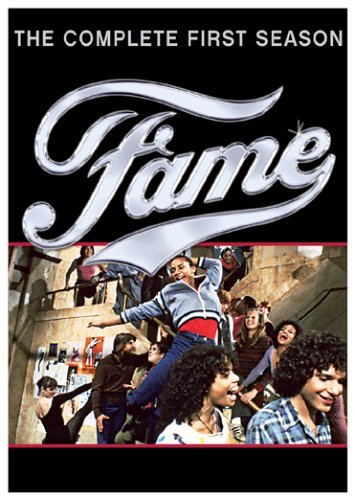
At 8pm to 9, it had the acclaimed television adaptation of the film Fame….

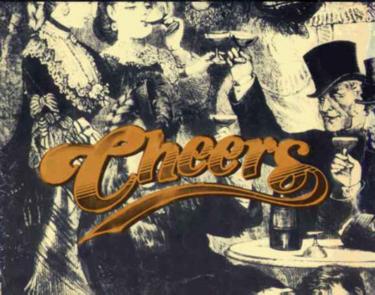
At 9pm, it had a pair of sitcoms – the critically acclaimed new sitcom, Cheers….

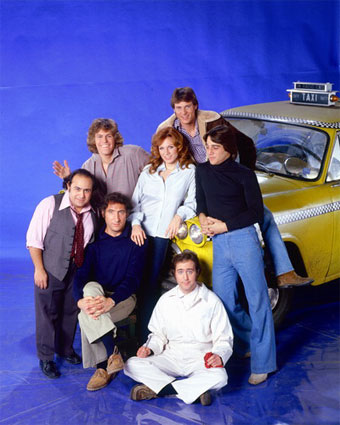
and the critical darling that NBC had actually saved from cancellation at ABC, Taxi…

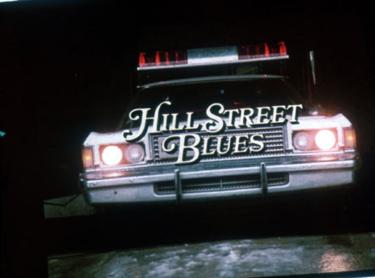
The night was then capped off by one of the most lauded shows of the 1980s, Hill Street Blues…

But that was all that NBC did to promote it – “Here are some high quality programs!”

And even that, they gave up on after half a season!

Taxi was moved to Saturdays and Cheers was moved to 9:30 and the paragon of brilliant television, Gimme a Break!, was moved into the 9pm slot.

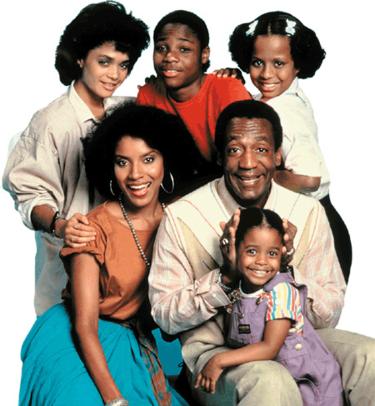
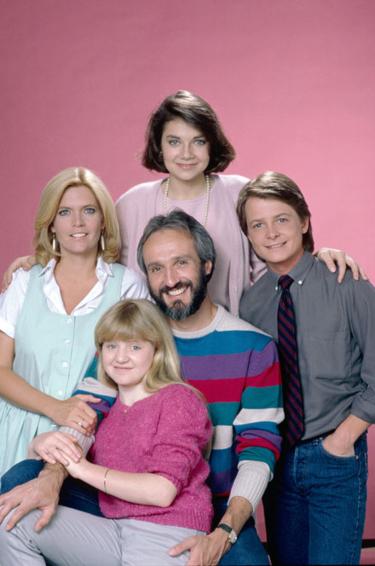
Really, it was not until the 1984-85 season that Thursday night exploded for NBC, as the brand new series, The Cosby Show became a rating juggernaut…

which made the 8:30 show, Family Ties, ALSO become a hit.

The Cosby Show helped carry the night for the rest of the decade (it also helped that Hill Street Blues was eventually replaced by another critically acclaimed drama that was also a good deal more mainstream than Hill Street Blues, L.A. Law).

After The Cosby Show went off the air, Cheers was the biggest show on the night until it, too, left in 1993.

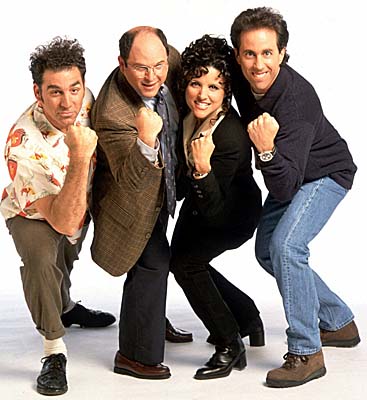
Then the night was carried by Sienfeld for a time…

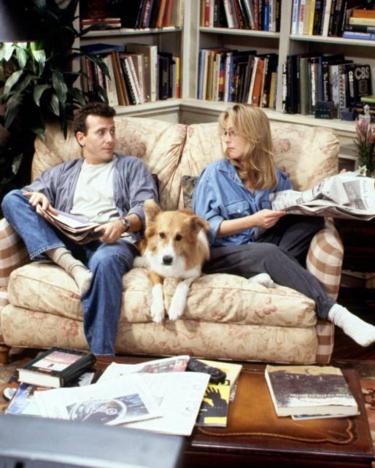
coupled with popular sitcoms Mad About You…

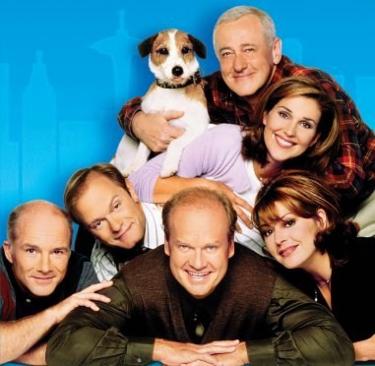
and the Cheers spin-off, Frasier…

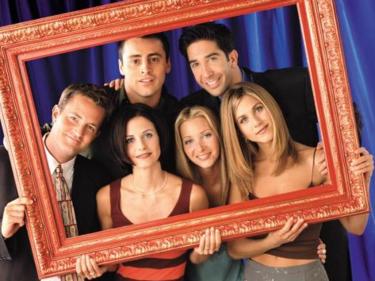
It was the 1994-95 debut of Friends, though, that really changed the landscape for NBC, though.

Suddenly, going into the 1995-96 season, they had four very popular sitcoms, so what they decided to do was to move Mad About You to join Frasier (which had already moved the previous season) to Tuesday nights to form a comedy block on that night to go with their Thursday night shows.

It was THEN that NBC finally debuted their slogan “Must See TV,” but it was not, as most people believe, a Thursday Night thing Read the rest of this entry »