Did Edd “Kookie” Byrnes Originally Play a Totally Different (and EVIL) Character on the Pilot of 77 Sunset Strip?

Here is the latest in a series of examinations into urban legends about TV and whether they are true or false. Click here to view an archive of the TV urban legends featured so far.

TV URBAN LEGEND: Edd Byrnes appeared on the pilot of 77 Sunset Strip as a totally different, and evil, character than Kookie.

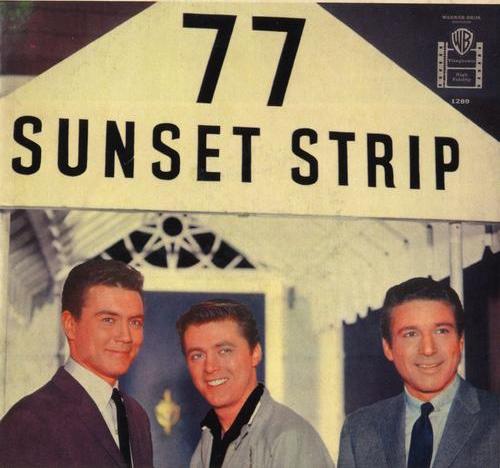
When the pilot for 77 Sunset Strip was in previews, there was something that fans seemed to universally enjoy, and that was the character played by Edd Byrnes.

The producers were confused, since the character Byrnes played was a sadistic killer!
Read the rest of this entry »

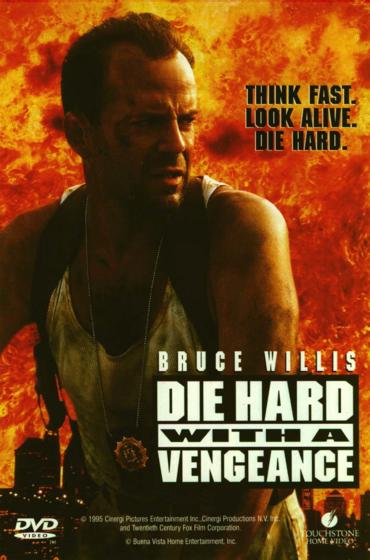
Was Die Hard With a Vengeance Originally Written as Lethal Weapon 4?

Here is the latest in a series of examinations into urban legends about movies and whether they are true or false. Click here to view an archive of the movie urban legends featured so far.

MOVIE URBAN LEGEND: Die Hard With a Vengeance was originally written as Lethal Weapon 4.

An interesting aspect about the recent release of A Good Day to Die Hard is that it is the first film of the five Die Hard films to be based on a story actually starring John McClane, the lead character of the Die Hard film series (played by Bruce Willis). The first four films in the series were all adapted from novels and/or screenplays starring other characters that were adapted into Die Hard films (you can read about the convoluted origins of the Die Hard franchise in an old Movie Urban Legends Revealed here).

A recurring legend along these lines is that the third Die Hard film, Die Hard With a Vengeance, was originally written as the fourth Lethal Weapon film (the film series starring Mel Gibson and Danny Glover as LAPD detectives).

Is it true?
Read the rest of this entry »

Was 77 Sunset Strip’s Pilot Released First as a Film Just to Take Away Rights from the Show’s Creator?

Here is the latest in a series of examinations into urban legends about TV and whether they are true or false. Click here to view an archive of the TV urban legends featured so far.

TV URBAN LEGEND: 77 Sunset Strip was released in theaters specifically to take away rights from the show’s creator.

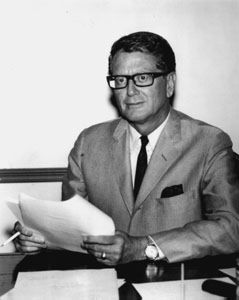
Roy Huggins is one of the most accomplished producers in television history, known primarily for creating the series Maverick, The Fugitive, Baretta and Rockford Files.

He also created 77 Sunset Strip for ABC when he was working for Warner Brothers, who were JUST getting into television in the mid-50s when they hired Huggins.

The main character of 77 Sunset Strip was former World War II intelligence operative turned private investigator Stuart Bailey (played by Efrem Zimbalist, Jr.).

Stuart Bailey originally appeared in a novel Huggins wrote in 1946 and Huggins later adapted the character for the silver screen in 1949’s I Love Trouble (the character was played by Franchot Tone).

Huggins was producing an anthology series for Warner Bros. and Bailey appeared in an episode of that, as well (played by Zimbalist for the first time). The episode went over well enough that Warners wanted to turn the concept into a regular series.

They produced a 90-minute pilot episode and previewed it to audiences around the country who responded enthusiastically. Warner Bros. felt that they had a hit on their hands.

However, Warners also did not particularly feel like sharing any of the rights to the show with Huggins, so they came up with a plan to basically screw Huggins out of his fair share.
Read the rest of this entry »

Were Cyd Charisse’s Legs Really Insured for a Million Dollars Each?

Here is the latest in a series of examinations into urban legends related to dancing and dancers and whether they are true or false. Click here to view an archive of the dancing urban legends featured so far.

DANCING URBAN LEGEND: Cyd Charisse’s legs were insured for a million bucks each.

Cyd Charisse (born Tula Elice Finklea) sadly passed away a few years ago.

The gorgeous dancer with the beautiful long legs was a screen starlet for a number of years.

Charisse danced with Fred Astaire in a few films, including…

Band Wagon…

and Silk Stockings…

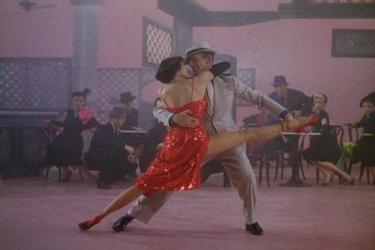
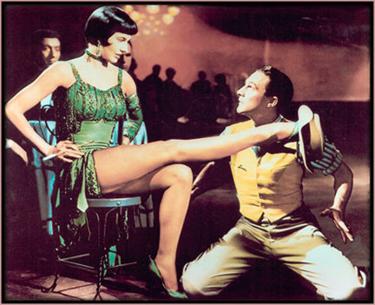
She also danced with Gene Kelly in some films, including, perhaps most memorably, Singin’ in the Rain…

So she had the rare treat of dancing with two of the most notable ballroom dancers of the 20th Century, even though her background before this time was strictly ballet.

When Charisse passed away, a number of obituaries about her made reference to her legs, stating that MGM insured them for a million dollars each.

Is it true?
Read the rest of this entry »

Was Jim Thorpe Really a Ballroom Dancing Champion?

Here is the latest in a series of examinations into urban legends related to dancing and dancers and whether they are true or false. Click here to view an archive of the dancing urban legends featured so far.

DANCING URBAN LEGEND: Jim Thorpe was a ballroom champion dancer.

Awhile back, I wrote about the fact that, unbeknown to most of his biographers for decades before it was discovered, Jim Thorpe had played professional basketball for awhile in the 1920s.

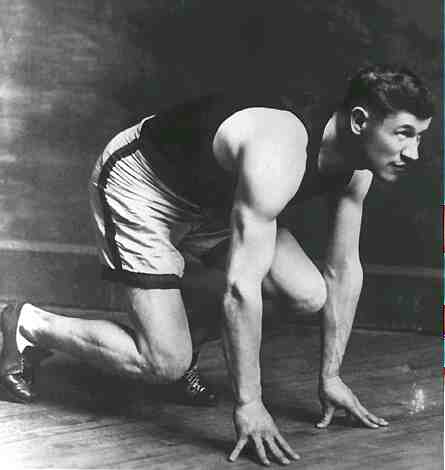
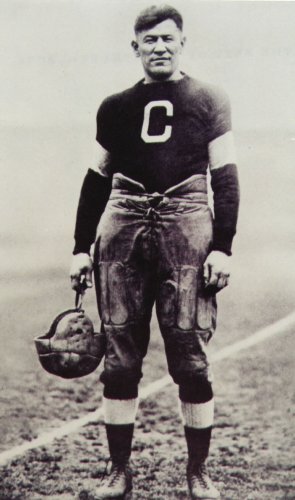
Jim Thorpe was really one of the greatest athletes of the 20th Century.

A star of track and field (and Olympic Gold Medalist), Thorpe also played professional baseball, basketball AND football!!!

However, amusingly enough, Thorpe’s athletic dominance was not just reserved for competitive sports, he also dominated in, of all places, the ballroom!!
Read the rest of this entry »

Did Johnny Carson Really Accidentally Cause a Toilet Paper Shortage in 1973?

Here is the latest in a series of examinations into urban legends about TV and whether they are true or false. Click here to view an archive of the TV urban legends featured so far.

TV URBAN LEGEND: Johnny Carson accidentally caused a toilet paper shortage in 1973.

After the destruction of Hurricane Sandy late last year, upstate New Jersey and southeast New York (New York City in particular) found themselves dealing with a massive gas shortage. A combination of oil shipments being delayed due to the storm, oil refineries being shut down due to a loss of power, gas stations themselves not having power and a sharp increase in demand saw roughly 70% of the gas stations in the area having no gas for consumers to purchase. This soon led to situations where cars were lined up on streets for miles waiting just to get gasoline. People had to become instant experts on miles per gallon to determine if they had enough gas to get gas without running out of whatever they had left! New Jersey soon began gas rationing based on license plate numbers (people with license plate numbers that ended in an odd number could buy gas on Day X and people with even numbers could buy gas on Day Y). New York City followed suit soon afterwards, but the damage was already done. As it turned out, one of the biggest problems was the issue of panic buying. People buying more than they needed because they were worried that they might not be able to get gas in the future. There was a 65% increase in gas purchases in the area before the storm even hit. This concept of panic buying is a familiar experience to people in the area who were around during the 1970s, where there was a legitimate oil shortage in 1973 due to the Organization of Arab Petroleum Exporting Countries (OAPEC) instituting an oil embargo on the United States in the fall of that year. The gas lines after Hurricane Sandy were a familiar sight to gas buyers of 1973. The atmosphere was a justifiably tense one and ripe for overreaction. So when famed talk show host Johnny Carson made a joke about a toilet paper shortage, well, you need to read it to believe it…
Read the rest of this entry »

Does Fred Astaire’s Will Really Stipulate That He Can Never Be Depicted in a Film?

Here is the latest in a series of examinations into urban legends related to dancing and dancers and whether they are true or false. Click here to view an archive of the dancing urban legends featured so far.

DANCING URBAN LEGEND: Fred Astaire’s will stipulates that he never be portrayed in a film.

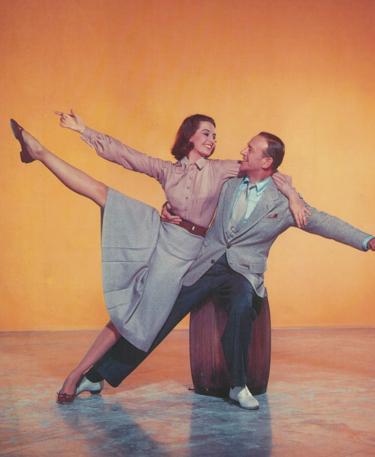
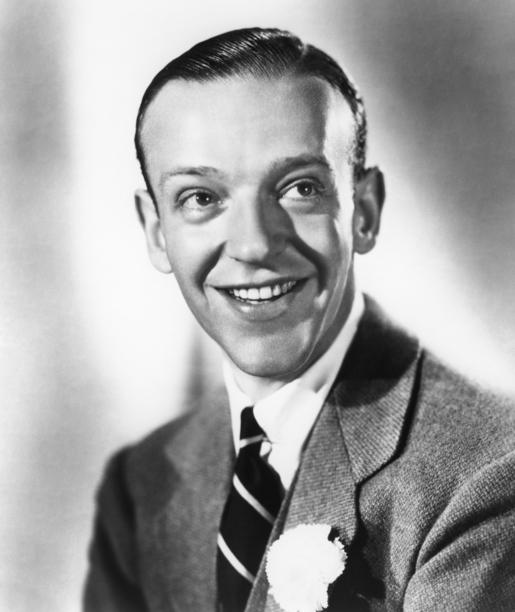
Fred Astaire is likely the most famous ballroom dancer of the 20th Century, although he was a lot more than just a dancer. The American Film Institute named him the fifth Greatest Male Star of All Time.

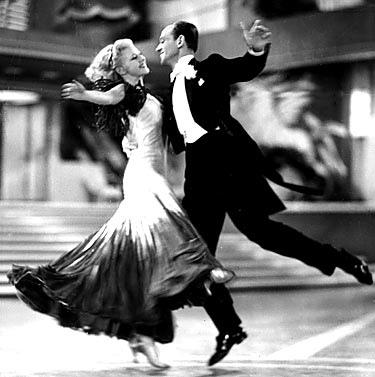
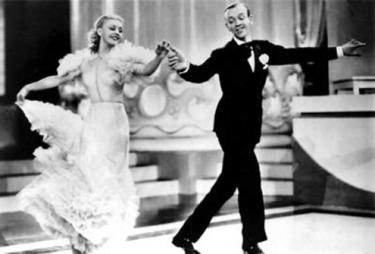
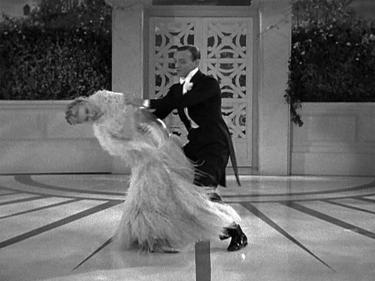
Astaire is probably best known for his musical films, especially those where he danced with his dance partner of TEN films, Ginger Rogers.

Some of the hit films they did together include…

The Gay Divorcee…

Swing Time…

and Top Hat…

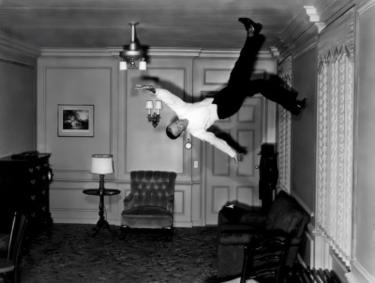
And of course, no one can forget Astaire’s famous “dancing on the ceiling” routine in Royal Wedding…

For a man who was so famous on the silver screen, Astaire made a curious demand upon his death in 1987. In the decade or so leading up to his death, Astaire had been turning down requests for “official” film versions of his life, and upon his death, Astaire went one better.

In his will, Astaire stipulated that he never been portrayed in a film.
Read the rest of this entry »

In What Bizarre Fashion Was the Original Lassie Purchased?

Here is the latest in a series of examinations into urban legends about movies and whether they are true or false. Click here to view an archive of the movie urban legends featured so far.

MOVIE URBAN LEGEND: The dog Pal was acquired TWICE for sums that, in retrospect, seem to be quite astronomically low.

The dog known as Pal came from a classic lineage of collies, but when Pal was born, his large eyes and that white spot on his forehead “ruined” him for anything more than being a straightforward pet dog.

Well, the man who ended up buying him was an animal trainer named Howard Peck. Peck brought Pal to a Hollywood animal trainer named Rudd Weatherwax because of Pal’s constant barking and annoying habit of chasing motorcycles. Weatherwax worked with the 8 month old dog for awhile, but while he made strides in other areas (like the constant barking), he couldn’t get Pal to stop chasing motorcycles. Peck, however, did not want the “not completely taught” dog back, so he agreed to give him to Weatherwax in exchange for the training fees that Peck owed him.

Weatherwax then gave the dog as a gift to a friend.

It was at this point that Weatherwax heard rumors that they were planning on making a movie adaptation of Eric Knight’s Lassie book, and Pal would fit perfectly for the role, so Weatherwax then bought Pal back from his friend…for $10!!!

You know what’s coming next!
Read the rest of this entry »

Did John Wayne Really Add a Little “Awe” to His Cameo in The Greatest Story Ever Told?

Here is the latest in a series of examinations into urban legends about movies and whether they are true or false. Click here to view an archive of the movie urban legends featured so far.

MOVIE URBAN LEGEND: John Wayne once took a George Stevens cue in a memorably pun-derful direction.

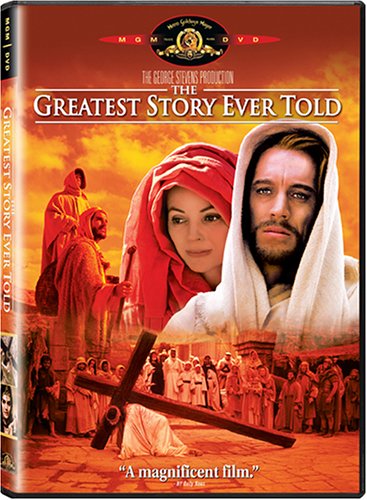
The Greatest Story Ever Told was an epic tale of the story of Jesus Christ, released in 1965, with a young Max von Sydow as Jesus Christ…
The movie was directed by veteran Hollywood film director and producer George Stevens…
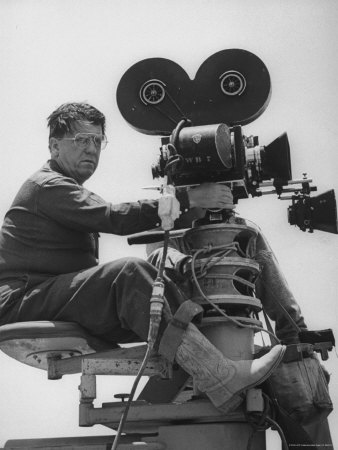
Part of Stevens’ approach to the film was to get as many famous actors into the film as possible, even if they were only appearing in cameos (this is a similar approach that Michael Anderson took with the Best Picture Winner of 1956, Around the World in 80 Days).

One such cameo appearance was by Hollywood icon John Wayne…
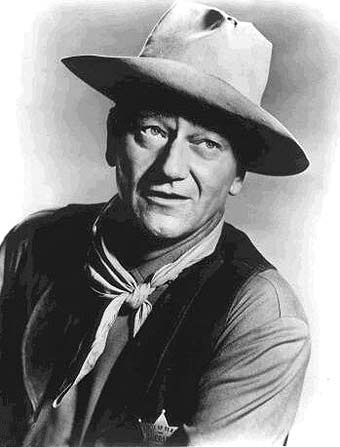
Wayne appears at the end of the film as a Roman Centurion tasked with guarding Jesus Christ on the cross. As Jesus expires from the mortal plane, Wayne’s character exclaims, “Truly this was the son of God.”

Well, as the story goes (here is one of a gazillion different versions of this story, all of which are essentially the same)…

[T]hat at the rehearsal for “The Greatest Story Ever Told’, The Duke, playing the Roman soldier who speared Jesus on the cross, said rather flatly: “Truly he was the son of God”. the director said: “Not like that, say it with awe!”

Obligingly Wayne repeated his line: “Aw, truly he was the son of God.”

It’s a great story, and definitely one that I could completely see happening since, according to the story, it is just a one-off joke, presumably made to cut the tension during the filming of the elaborate epic film.

But DID it happen?
Read the rest of this entry »
Tags:

April 1st, 2013 | Posted in Movie Legends Revealed | 2 Comments

Did the Star-Spangled Banner Have An Extra Verse Added During the Civil War?

Here is the latest in a series of examinations into urban legends about music and whether they are true or false. Click here to view an archive of the music urban legends featured so far.

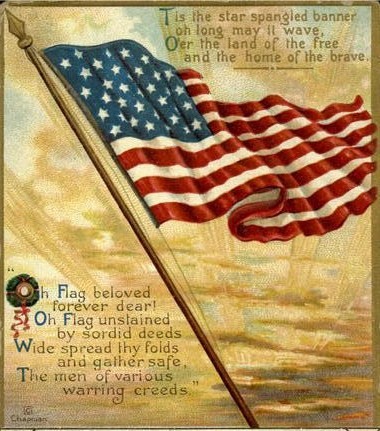
MUSIC URBAN LEGEND: During the Civil War, the Star-Spangled Banner had an extra verse written by Oliver Wendell Holmes!

When the Civil War began, one of the (very low on the list of priorities, but still there) issues was coming up with anthems for the North and the South.

The main national song at the time was (as it is today) Francis Scott Key’s “The Star Spangled-Banner,” but that song was found to be very much of its time – the War of 1812, and people found it a bit wanting as a national anthem during the Civil War.

In stepped Dr. Oliver Wendell Holmes, noted physician, poet and essayist, who came up with an additional verse to the song!!
Read the rest of this entry »