Did The Lovin’ Spoonful Get Their Name From a Slang Term for Heroin?

Here is the latest in a series of examinations into urban legends about music and whether they are true or false. Click here to view an archive of the music urban legends featured so far.

MUSIC URBAN LEGEND: The Lovin’ Spoonful got their name from a slang term for heroin

Over the years, basically every band that has a name that is a bit peculiar has had slightly more sinister meaning attributed to the origin of their name.

The Lovin’ Spoonful, the popular American Rock ‘n’ Roll band from the 1960s, is no exception.
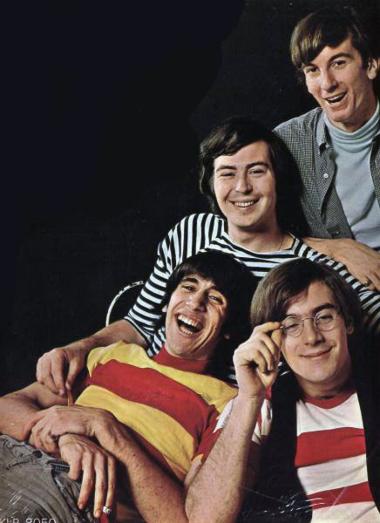
The band was formed in New York by lead singer (and the group’s main songwriter) John Sebastian, guitarist Zal Yanovsky, drummer Joe Butler and bassist Steve Boone.

The band became a smash success, with such hit singles as “Do You Believe In Magic,” “You Didn’t Have to Be So Nice,” “Daydream,” “Did You Ever Have To Make Up Your Mind?” and their biggest hit, the 1966 smash hit “Summer in the City.”

In any event, after the group became extremely popular during 1965-1966, a series of misinformation sprung up about the band’s name.

One popular rumor was that the name was a reference to heroin, as in cooking up a “lovin’ spoonful” of heroin.
Read the rest of this entry »

Tags: , , , , , , , , , , , , , , ,

October 25th, 2012 | Posted in Music Legends Revealed | 1 Comment
Did Gracie Allen Ever Actually Say “Goodnight, Gracie”?

Here is the latest in a series of examinations into urban legends about TV and whether they are true or false. Click here to view an archive of the TV urban legends featured so far.

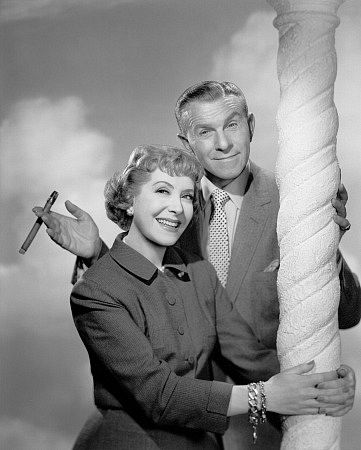
TV URBAN LEGEND: At the end of the George Burns and Gracie Allen Show, Burns would say “Say Goodnight, Gracie” and Allen would follow with, “Goodnight, Gracie.”

George Burns and Gracie Allen met in 1922 and soon began a vaudeville act together. Their act quickly developed into the act that they would become famous for – Burns as the straight man playing to Allen’s ditzy “Dumb Dora” routine. They would marry in 1926.

After years on vaudeville and a number of appearances in the pictures, the pair transitioned to radio in the late 1930s, which is where they made the last refinement on their act during the 1940s. Up until that point, their marriage was not written into the act. Around 1940, they finally did and their radio show became more of a traditional sitcom.

That sitcom style continued to the medium of television, as the couple debuted their TV series The George Burns and Gracie Allen Show in 1950.

burns

By the time Allen retired in 1958 (Allen had been fighting heart disease for years, which almost certainly was what led to her wishing to lighten her workload – the couple produced almost THREE HUNDRED episodes in the eight years they were on the air), the show was a massive commercial and critical hit.

People absolutely loved Gracie Allen’s personality.

However, perhaps the most popular part of the show is something that actually never happened on the show!!
Read the rest of this entry »

Tags: , , , , , ,

October 22nd, 2012 | Posted in TV Legends Revealed | 5 Comments

Was There Really an Adult Version of Candid Camera Called CANDID Candid Camera?

Here is the latest in a series of examinations into urban legends about TV and whether they are true or false. Click here to view an archive of the TV urban legends featured so far.

TV URBAN LEGEND: Allen Funt produced an adult version of Candid Camera called Candid Candid Camera.

A few year back, the television program Candid Camera ended a long run on the Christian-run television network PAX Television.

That version of the program followed the pattern laid out by the original program, which ran in one format or another almost continuously on various networks from 1948 until 1967. The show, hosted by Allen Funt, would consist of people getting practical jokes played on them – filming their reactions to absurd situations.

Funt hosted the show its entire run, including a syndicated return in the 1970s.

The PAX Network might not be so pleased with the television program if they knew that Funt actually had an adult-themed version of Candid Camera!
Read the rest of this entry »

Tags: , , , ,

October 22nd, 2012 | Posted in TV Legends Revealed | 1 Comment

Did a Sketch Written for a 1975 Saturday Night Live Episode Go Unused Until 1989?

Here is the latest in a series of examinations into urban legends about TV and whether they are true or false. Click here to view an archive of the TV urban legends featured so far.

TV URBAN LEGEND: A sketch written for a 1975 episode of Saturday Night Live ended up being used fourteen years later on the show.

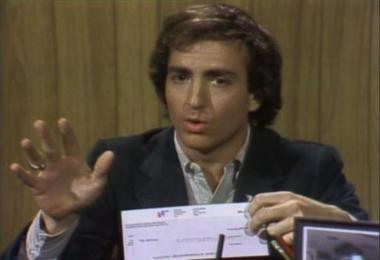
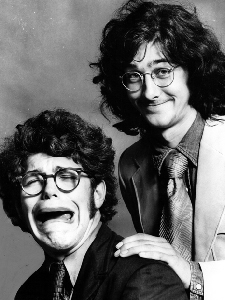
Tom Davis and Al Franken were early writers on Saturday Night Live, staying with the show for its entire first five year run.

20080225_alfranken_3

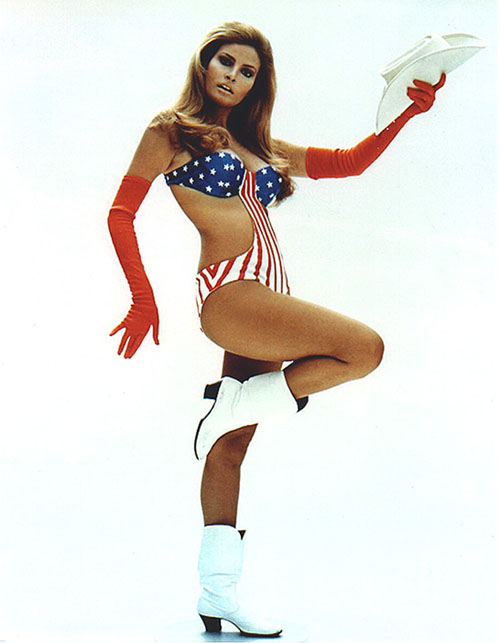
They were working on the show when, during the 18th episode of the first season, the actress Racquel Welch hosted the show.

myra-breckinridge-raquel-welch

That particular show is famous for being the episode where Lorne Michaels first made his “offer” to the Beatles to reunite for $3,000.

beatlesoffer

During that episode, according to Doug Hill and Jeff Weingrad’s book, Saturday Night: A Backstage History of Saturday Night Live, Franken and Davis wrote a sketch called Planet of the Enormous Hooters, which would be a take-off a Twilight Zone episode where a beautiful woman is ostracized because everyone else on the planet is hideous. In the sketch, Racquel Welch’s breasts would be considered puny to the people of the Planet of the Enormous Hooters. The sketch ran at dress, but Welch did not like it, so it was dropped.
You would figure that would be it, right?

Wrong!
Read the rest of this entry »

Tags: , , , , , , , ,

October 22nd, 2012 | Posted in TV Legends Revealed | 4 Comments

How Did Will Rogers First Become Famous?

Here is the latest in a series of examinations into urban legends related to vaudeville and whether they are true or false.

VAUDEVILLE URBAN LEGEND: Will Rogers first made a name for himself in the New York scene by heroically roping a steer that had gone into the crowd during a Western performance at Madison Square Garden.

As I have noted in other legends (like this one involving Buster Keaton), the great entertainers often stretched the truth when it meant good publicity for them.

That’s only natural, right?

Well, in the case of Will Rogers, his big New York debut involved a dramatic story that, as unlikely as it sounds, apparently IS true – or, well, true enough, I guess.
Read the rest of this entry »

Tags: , , , , , , ,

October 10th, 2012 | Posted in Grab Bag Legends, Vaudeville Legends Revealed | 1 Comment

Did Buster Keaton Receive His Famed Nickname From Harry Houdini?

Here is the latest in a series of examinations into urban legends related to vaudeville and whether they are true or false.

VAUDEVILLE URBAN LEGEND: Buster Keaton received his nickname from Harry Houdini.

Joseph Frank Keaton broke into the vaudeville business in 1899 as a member of his family’s vaudeville act, The Three Keatons when the young Keaton was only 3 years old.

He went by the nickname Buster, which is what he would go by for the rest of his life.

The act was based around a lot of slapstick, mostly involving Joe Keaton (the father) abusing his son, in a similar fashion to the antics of Homer and Bart Simpson on The Simpsons.

A major gag in the show would involve Joe picking up Buster and throwing him against the scenery, or into props or, occasionally, even into the audience!

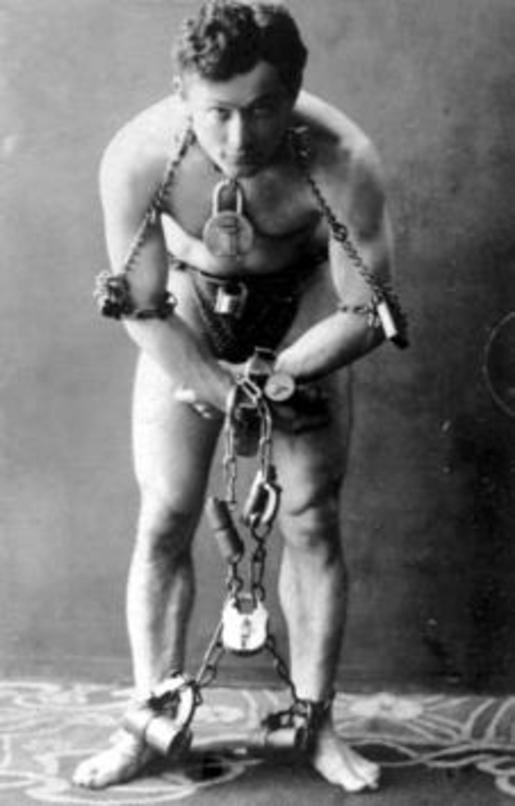
There’s a famous story about how Buster got his nickname. As the story goes, legendary magician Harry Houdini was visiting the Keatons while they were all on tour (Houdini did, in fact, tour with the Keatons at the time) when he saw the young Keaton (still an infant at the time, so maybe around a year old) fall down a flight of stairs without injury or, in fact, any real reaction.

Houdini remarked, “That was a real buster!” (the term at the time was used to denote falls that looked like they could hurt/cause injury) and the name stuck.

That story was repeated for years and Keaton even told it in interviews for years.

But is it true?
Read the rest of this entry »

Tags: , , , , , ,

October 10th, 2012 | Posted in Grab Bag Legends, Vaudeville Legends Revealed | 6 Comments

Did Jack Benny Gain Both His First and Last Name Due to Separate Legal Issues?

Here is the latest in a series of examinations into urban legends related to vaudeville and whether they are true or false.

VAUDEVILLE URBAN LEGEND: Jack Benny’s stage name came from not one, but TWO separate legal issues, one for each part of his name.

Benjamin Kubelsky was born in Chicago in 1894 and by his teens, he wanted to be a performer.

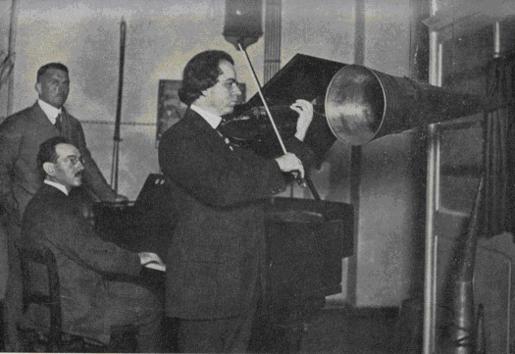
A more than capable violinist, Kubelsky was actually offered a regular gig with the Marx Brothers in 1911 as their official accompanist, but Kubelsky’s mother would not let him go.

By the next year, though, there was nothing that was going to keep Kubelsky from pursuing a career in vaudeville. He teamed up with pianist Cora Salisbury for a vaudeville musical act.

However, this did not sit well with famed violinist Jan Kubelik. He felt that a vaudeville violinist with a name like Kubelsky would detract from Kubelik’s reputation, and Kubelik’s lawyers contacted Kubelsky with words (and threats) to that effect.

Now almost certainly, had Kubelsky actually pushed the issue, he likely would have been okay, but if you’re an 18 year old just trying to break into the entertainment industry, you likely don’t want to ruffle any feathers if you can avoid it, so Kubelsky changed his name to Ben K. Benny.

He continued under this name for a few years, with little to no success. He joined the Navy in 1917 during World War I, and he would often entertain the troops with his violin playing. It was around this time that he began to work comedy into his act.

By the time the war was over, Ben K. Benny was ready to make a name for himself as a comedian/violinist.

However, that name he would make for himself would not be Ben K. Benny, as he was once AGAIN contacted by the lawyer of another entertainer.
Read the rest of this entry »

Tags: , , , , , ,

October 10th, 2012 | Posted in Grab Bag Legends, Vaudeville Legends Revealed | No Comments

Did an Early Film Version of Anna Karenina Have Two Endings, One Happy and One Sad?

Here is the latest in a series of examinations into urban legends about movies and whether they are true or false. Click here to view an archive of the movie urban legends featured so far.

MOVIE URBAN LEGEND: An early film adaptation of Anna Karenina contained two versions of the ending, one happy and one sad.

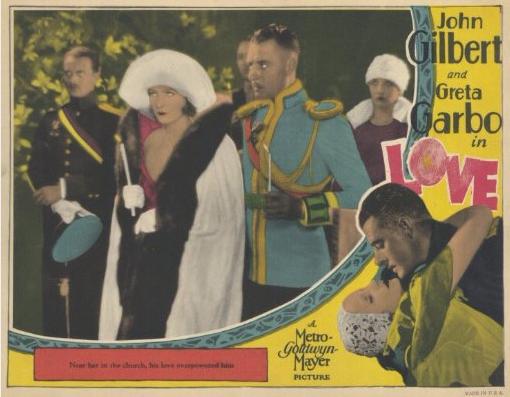
The 1927 silent film, Love, is a great example as to how little regard Hollywood often has for its source material.

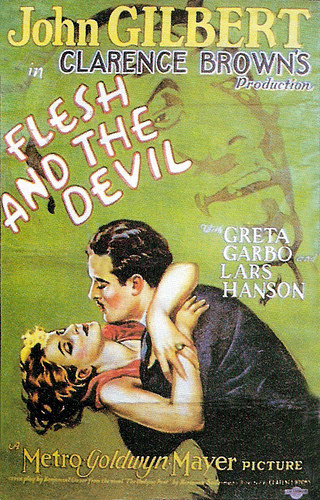
Greta Garbo and John Gilbert starred together in the 1926 silent film blockbuster, Flesh and the Devil, where Gilbert plays a man driven practically to madness with his desire for Garbo. At the time, Garbo and Gilbert began a real-life, very public romance.

In 1927, Garbo went through various machinations to get Gilbert on to her next film, which was an adaptation of Leo Tolstoy’s classic novel, Anna Karenina (Garbo was “sick” for months until the studio both gave her a raise and replaced her initial co-star for the film with Gilbert). The sad melodrama of the ill-fated lovers of Anna Karenina (Anna and Vronsky, who are torn apart by the fact that they fell in love while Anna was married to the heartless Senator Karenine) perfectly fit the melodrama of Flesh and the Devil.

The working title for the film was Heat, but it was changed to Love.

While it was never said explicitly that this was the reason behind the change, it does seem likely that the tagline “John Gilbert and Greta Garbo in Heat” probably was at least a partial reason for making the change from that title, while on the other hand, “John Gilbert and Greta Garbo in Love” is an absolutely brilliant tagline, given their very notorious romance.

What’s also notorious about the film is what they did to Tolstoy’s novel.
Read the rest of this entry »

Tags: , , , , , ,

October 8th, 2012 | Posted in Movie Legends Revealed | 1 Comment

Did W.C. Fields Insult Philadelphia On His Gravestone?

Here is the latest in a series of examinations into urban legends about movies and whether they are true or false. Click here to view an archive of the movie urban legends featured so far.

MOVIE URBAN LEGEND: W.C. Fields has an epitaph on his gravestone insulting Philadelphia.

W.C. Fields was born William Claude Dukenfield in Philadelphia, Pennsylvania in 1880.

wc

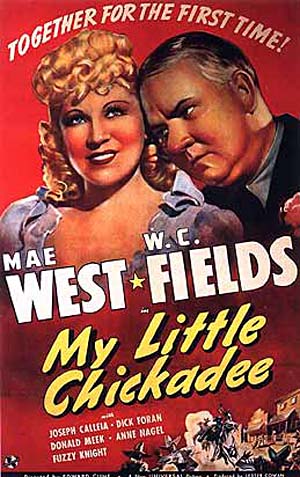
Fields was one of the most famous comedians of his generation, which included a string of major motion pictures successes, including It’s a Gift, the Bank Dick and My Little Chickadee, which he starred in alongside Mae West…

Fields grew up very poor in Philadelphia, and as a grown man, he would often work jokes about his hometown into his comedy act.

Stuff like, “Last week, I went to Philadelphia, but it was closed.”

He often made fun of the staid, Quaker-ish conservative nature of Philadelphia (and much of Pennsylvania) as the sort of “straight man” for his routines.

So it’s long been a great story that on his tombstone, Fields has written some variation of the joke:

“On the whole, I’d rather be in Philadelphia.”

Like:

“All things considered, I’d rather be in Philadelphia.”

or

“Better here than in Philadelphia.”
Read the rest of this entry »

Tags: , , , , , ,

October 8th, 2012 | Posted in Movie Legends Revealed | 11 Comments

How Did Bob Dylan Respond to the Byrds Changing the Lyrics of One of His Songs?

Here is the latest in a series of examinations into urban legends about music and whether they are true or false. Click here to view an archive of the music urban legends featured so far.

MUSIC URBAN LEGEND: Bob Dylan had an amusing response to The Byrds changing the lyrics to one of his songs.

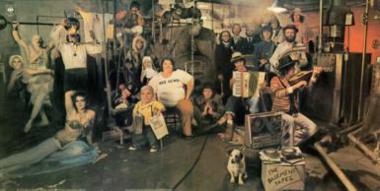
Late in 1967, Bob Dylan and the Band got together in the basement of “Big Pink” (a house in Woodstock that a few members of the band owned) and recorded a dozen or so songs. Dylan and the Band had been jamming for most of 1967, mostly recording cover songs of other artists, but as time went by, Dylan soon began coming up with new songs of his own (including a couple of songs he co-wrote with members of the Band).

These songs were generally intended to be demos for other artists to hear to see if they wanted to do their own versions of the songs.

These almost mythological jam sessions were officially released in 1975 as The Basement Tapes.

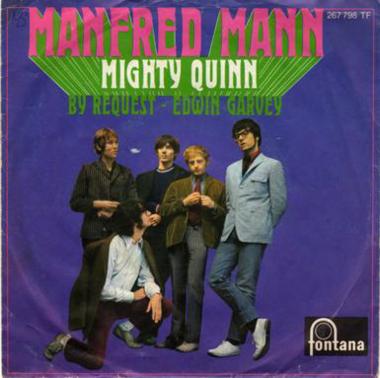
In early 1968, the cover versions from the album soon began pouring in, most notably with Manfred Mann’s cover of “Quinn the Eskimo (The Mighty Quinn),” which was a smash hit for the British group (it went to #1 in England) under the name “The Mighty Quinn.”

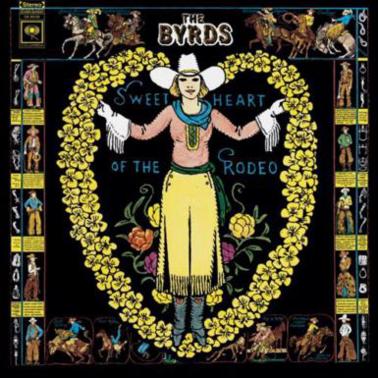
Most of the songs were given to other artists at Columbia (Dylan’s record company at the time), like the Byrds, who recorded two of the songs on their classic country rock record Sweetheart of the Rodeo.

The Byrds recorded “You Ain’t Goin’ Nowhere” and “Nothing Was Delivered.”

On “You Ain’t Goin’ Nowhere,” however, the Byrds changed a line in the song (seemingly by accident, as it is a small change that would seem too slight to be purposeful).
Read the rest of this entry »

Tags: , , , , , , , , , , , , , , ,

October 3rd, 2012 | Posted in Music Legends Revealed | 5 Comments