Did a Poster Company Airbrush a Cigarette Out of the Abbey Road Album Cover?

Here is the latest in a series of examinations into urban legends about music and whether they are true or false. Click here to view an archive of the music urban legends featured so far.

MUSIC URBAN LEGEND: An American poster company airbrushed a cigarette from a poster of the Beatles’ Abbey Road.

The cover of The Beatles’ 1969 album Abbey Road is one of the most iconic cover images in the history of rock and roll.
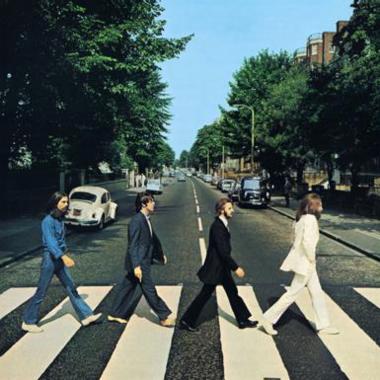
It also was a big “clue” to those crazy fans who believed that Paul McCartney was dead (note that Paul is the only Beatle not walking in step with the other three AND he is the only one barefoot – PROOF! PROOF!!).

In any event, as you might imagine, such an iconic cover made for a great poster.

However, in 2003, American poster companies got into a bit of a public relations snafu when they actually used airbrushing to EDIT the Abbey Road cover for release in the United States as a poster!!!

In 2001, George Harrison of the Beatles died of lung cancer. Harrison attributed smoking as a leading cause to his cancer.

That possibly might be one of the reasons that some American poster companies actually aibrushed a cigarette out of Paul McCartney’s hand for the poster…
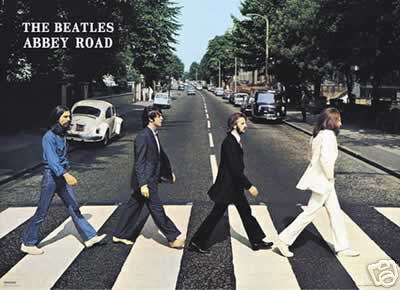
Apple Records, who own the rights to the image, were not asked beforehand and did not know about it until reporters contacted them.

A spokesperson for Apple said:

We have never agreed to anything like this. It seems these poster companies got a little carried away. They shouldn’t have done what they have, but there isn’t much we can do about it now.

Naturally, it appears pretty clear what is going on – it is all a conspiracy to hide Paul’s death from people.

Clearly.

The legend is…

STATUS: True

Thanks to the BBC News for the quote!

Feel free (heck, I implore you!) to write in with your suggestions for future urban legends columns! My e-mail address is bcronin@legendsrevealed.com

Tags: , , ,

October 3rd, 2012 | Posted in Music Legends Revealed | No Comments

Was “Dirty Diana” About Diana Ross and/or Princess Diana?

Here is the latest in a series of examinations into urban legends about music and whether they are true or false. Click here to view an archive of the music urban legends featured so far.

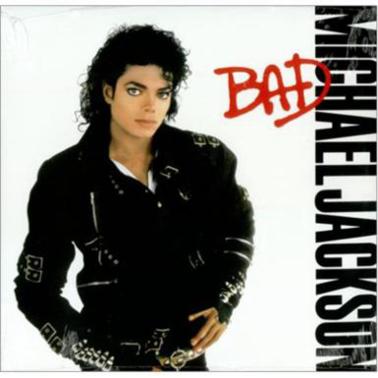
MUSIC URBAN LEGEND: Michael Jackson’s song “Dirty Diana” was about Diana Ross and/or Princess Diana

For years, Michael Jackson’s 1987 hit song off of the album of the same year, Bad (the fifth single from the album to hit #1 on the charts), “Dirty Diana,” has been rumored to be about Diana Ross and/or Princess Diana.

I think there’s really two ways of looking at this, and it really depends on how slim your definition of a song being “about” someone is.
Read the rest of this entry »

Tags: , , , , ,

October 3rd, 2012 | Posted in Music Legends Revealed | 16 Comments

Did American Idol Just Skip Austin, Texas in Season 5 and Pretend That Other Cities Were Austin?

Here is the latest in a series of examinations into urban legends about TV and whether they are true or false. Click here to view an archive of the TV urban legends featured so far.

TV URBAN LEGEND: In Season 5, American Idol skipped Austin, Texas and just pretended that auditions in other cities were their Austin auditions.

One thing you have to get out of the way right off the bat is how, exactly, American Idol auditions work.

Often, the audition process has to be arranged around the schedules of the judges (presumably mostly Simon Cowell’s schedule, as he seems to be a bit busier than the other judges), so when you see the judges judging contestants, it is not even necessarily the same day as when the big group shots happen outside.

The way auditions work is that the main judges don’t even get to see contestants until they have been seen by a group of 10-12 American Idol producers. Simon, Randy and Paula only see about 100 or so contestants any given time.

A nice aspect about this system is that it is easy to break things up that way. If the judges are not available, you can screen out the 100 or so contestants and have them return the next week when the judges are available and have them audition in front of the judges then. On television, with editing, there’s no way of telling the difference.

Of course, sometimes, when you do this, things get in the way – stuff like, oh, I don’t know, a massive hurricane?
Read the rest of this entry »

Tags: , , , , ,

October 2nd, 2012 | Posted in TV Legends Revealed | No Comments
Did Season 8 of American Idol Have a Problem With a Phone Sex Company Owning Similar Phone Numbers to Their Show?

Here is the latest in a series of examinations into urban legends about TV and whether they are true or false. Click here to view an archive of the TV urban legends featured so far.

TV URBAN LEGEND: When Season 8 went to a Final 13 instead of a Final 12, that caused trouble due to a porn company owning all American Idol phone numbers beyond #1-12.

When Simon Cowell claimed that he and the American Idol producers huddled up and determined at the last moment (during the “Wild Card” round, where the judges got to pick an additional 3 contestants to join the 9 contestants that had been voted in by the public) that American Idol Season 8 would have 13 final contestants instead of the typical 12, a lot of people doubted him, figuring that it was something they had planned in advance.

That might be true, it might not be true, but one thing going in Cowell’s favor is the situation with American Idol’s phone numbers.

On American Idol, they use the same phone numbers every year for the Top 12.

1-866-IDOLS-01, 1-866-IDOLS-02, etc.

All the way to 1-866-IDOLS-12, as seen here on Adam Lambert earlier this season…

adam-parting-shot-satisfaction

However, they never used past 12, because American Idol did not have OWN the phone number for 1-866-
43657(IDOLS)-13. Nor do they own 1-800-43657-00.

Who does?

Read the rest of this entry »

Tags: , ,

October 2nd, 2012 | Posted in TV Legends Revealed | No Comments
Did Clay Aiken Learn That He Lost American Idol Before The Results Were Revealed?

Here is the latest in a series of examinations into urban legends about TV and whether they are true or false. Click here to view an archive of the TV urban legends featured so far.

TV URBAN LEGEND: Clay Aiken learned of the results of American Idol Season 2 before they were revealed.

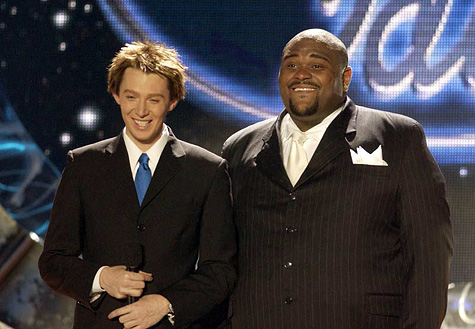
The finale of American Idol Season 2 was mostly likely the closest finale the show will ever see, with Ruben Studdard and Clay Aiken separated by 130,000 votes out of 24 million votes cast.

american-idol-rewind2

The final result, though, was not a surprise to one of the contestants, for Clay Aiken actually knew that he did not win!
Read the rest of this entry »

Tags: , , , ,

October 2nd, 2012 | Posted in TV Legends Revealed | No Comments
Was Life of Riley Originally a Groucho Marx Vehicle?

Here is the latest in a series of examinations into urban legends related to radio and the people “behind the microphone,” so to speak, and whether they are true or false.

RADIO URBAN LEGEND: Life of Riley was originally a Groucho Marx vehicle!

While it may be true for movies, as well, the media of Radio and Television seem to be places where the following statement is particularly true – strong performances (or, in the alternative, strong personalities) can often make the difference between a show being a classic and a show being forgotten.

A great example of this phenomenon is the classic early situation comedy from 1941 (and likely THE original situation comedy, at least in how we think of the term today), Life of Riley.

The show is basically a generic sitcom, with its sole distinguishing plot characteristic being that it is about lower middle-class people in New York City, specifically a wing riveter at an Aircraft plant named Chester A. Riley.

The title “Life of Riley” is play on the phrase “Living the life of Riley,” which means living an expensive lifestyle (this, of course, was meant as an ironic title).

While the only distinguishable plot characteristic was the setting of the sitcom, the one thing that REALLY set it apart was its star, veteran movie character actor, William Bendix.

In the able hands (and voice) of Bendix, Riley was kept from turning into an insufferable lout, which the character easily could have turned into. Riley did not have the depth of, say, a Ralph Kramden or an Archie Bunker, but Bendix still kept him grounded in life enough that listeners could root for the guy. The addition of John Brown’s gravedigger character Digby O’Dell, really sold the show, making it a permanent hit. It was even one of the rare radio hits that continued as a major hit on television (an early attempt to adapt it for television show had Riley played by none other than the future Ralph Cramden himself, Jackie Gleason) with Bendix eventually playing the character on the most successful adaptation of the show on television.

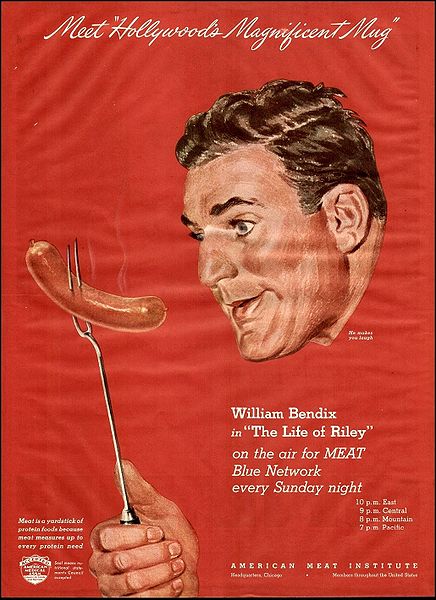
Here’s an ad for the show from one of their first sponsor, the American Meat Institute…

436px-bendix_meat

Amazingly enough, though, the Life of Riley almost never existed, because it was based on a failed pilot that originally starred Groucho Marx!
Read the rest of this entry »

Tags: , , , , , , , ,

October 1st, 2012 | Posted in Grab Bag Legends, Radio Legends Revealed | 2 Comments

Did the Pestering of Reporters Lead to the Famed Description of the NBC Monitor?

Here is the latest in a series of examinations into urban legends related to radio and the people “behind the microphone,” so to speak, and whether they are true or false.

RADIO URBAN LEGEND: Pat Weaver came up with the trademark description of The NBC Monitor on the fly when being pestered by reporters.

The NBC Monitor was a radio program that basically saved NBC Radio in a time when radio was deemed on its way out with the advent of television.

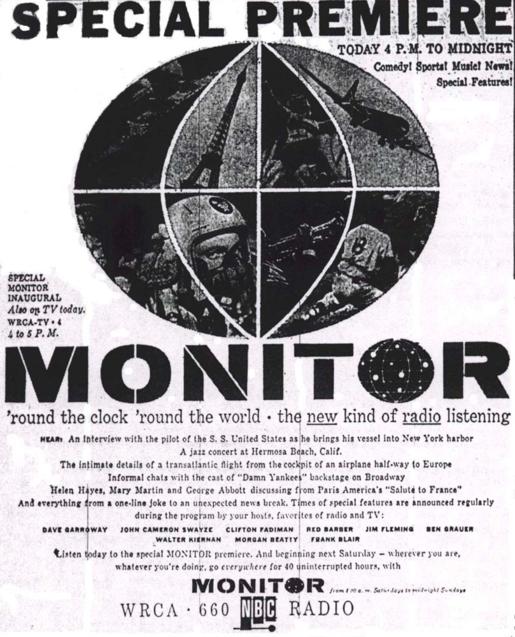
monitorad

The show almost defied definition, as NBC (Radio and TV) President Pat Weaver came up with the idea of developing a weekend program that would put together the best minds available to NBC and producing quick bits of news and infotainment that would last the whole weekend. It would work so that no matter when you turned to the program, you would be able to get SOMEthing interesting to listen to.

It was seen as a bizarre gambit by Weaver at a time when radio stations were locked into general 30 minute or 60 minute shows, but it definitely paid off.

Basically, it is the same principle Weaver used on television for NBC’s Today Show (which still goes on today). You just use up blocks of time with interesting people and viewers will tune in. Soon, basically every radio station affiliate across the country were “on the Monitor Beacon.”

The show was introduced with an otherworldly sound called the Monitor Beacon (it would also be used to transition out of station breaks).

Courtesy of the great Monitor tribute site, The Monitor Beacon Tribute Pages, click here to hear an MP3 of the Monitor Beacon sound.

In any event, as you might imagine, it was difficult for Pat Weaver to describe a show that would have, say, X minutes of an old-time radio show then X minutes of visiting a Celebrity Chef then X minutes of straight news then X minutes of Bob and Ray doing a comedy routine then the weather (done in a breathy, sexy voice by “Miss Monitor,” played by actress Tedi Thurman) then X amount of minutes of live jazz.

So when he first described the show to affiliates on Friday, April 1, 1955, the affiliates must have felt that this was some sort of April Fool’s joke by Weaver! While they did not fully grasp the concept all that well, Weaver had an even tougher time when he debuted the concept to reporters in a press conference a few days later.

It is there that Weaver actually came up with the phrase that would forever be connected to the Monitor – and he did it on the fly!
Read the rest of this entry »

Tags: , , , , , ,

October 1st, 2012 | Posted in Grab Bag Legends, Radio Legends Revealed | No Comments
Did David Sarnoff Work a Telegraph Three Days Straight Covering the Titanic Sinking?

Here is the latest in a series of examinations into urban legends related to radio and the people “behind the microphone,” so to speak, and whether they are true or false.

RADIO URBAN LEGEND: David Sarnoff stayed on the telegraph for three days straight getting the first details of the Titanic sinking.

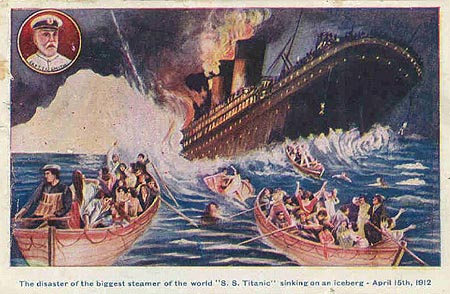
As horrific of a tragedy the sinking of the Titanic was, it turned out to be a major boon for the future of radio.

titanic-sinking-01

At the time of the Titanic sinking, wireless communication was only just beginning to become a major tool, particularly for naval vessels, who could use telegraphs to communicate with people at great distances.

That any of the passengers of the Titanic survived the sinking was due entirely to the fact that the ocean liner Carpathia picked up the wireless transmissions of the Titanic’s two Wireless Operators (who continued transmitting until they literally could not do it any longer).

This, coupled with the fact that the ship closest to the Titanic, the Californian, did not stop to help because their Wireless Operators were asleep and their wireless station shut down, was a major success, of sorts, for the American division of the Marconi Wireless Telegraph Company.

It proved the impressive utility of wireless communication, and it did so in a massive news story with the whole world paying attention.

While surely the radio industry would have eventually started ANYways, this definitely gave it a jump start.

One person that this ALSO gave a jump start to was a young Marconi Wireless worker named David Sarnoff.
Read the rest of this entry »

Tags: , , , , , , , , ,

October 1st, 2012 | Posted in Grab Bag Legends, Radio Legends Revealed | No Comments

Did Kevin Smith Once Picket His Own Film?

Here is the latest in a series of examinations into urban legends about movies and whether they are true or false. Click here to view an archive of the movie urban legends featured so far.

MOVIE URBAN LEGEND: Kevin Smith once picketed his own film.

Dogma, a 1999 action comedy film by writer/director Kevin Smith, satirized the Catholic Church and, well, their dogma.

dogma_ver1

The film, as you might expect, drew a lot of controversy and even a smattering of protests.

One such protest was in New Jersey, outside a movie theater showing the film. It was not exactly a well attended protest, but it did have one familiar looking face in the crowd of picketers…
Read the rest of this entry »

Tags: ,

September 27th, 2012 | Posted in Movie Legends Revealed | No Comments

Does John Patrick Shanley Really Have a Clause in His Contracts That You Can’t Change Any of His Screenplays?

Here is the latest in a series of examinations into urban legends about movies and whether they are true or false. Click here to view an archive of the movie urban legends featured so far.

MOVIE URBAN LEGEND: John Patrick Shanley has it written into his contract that no words in his screenplays can be changed.

John Patrick Shanley was a burgeoning young playwright in the 1980s when he burst on to the Hollywood scene with the screenplay to the smash hit (and Academy Award winning) film, Moonstruck, starring Cher.

moonstruck

The film won Shanley the Academy Award for Best Original Screenplay.

More recently, in 2005, Shanley won the trifecta for American Drama Awards, when he was awarded the Drama Desk for Best Play, the Tony Award for Best Play and the Pulitzer Prize for Drama for his play, Doubt: A Parable.

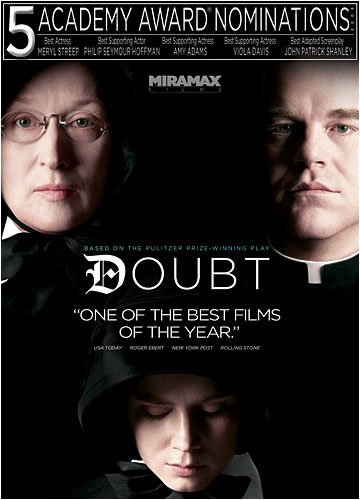
Recently, the play was adapted into a critically acclaimed film starring Meryl Streep and Phillip Seymour Hoffman…

doubt

A legend has grown around Shanley when it came to the world of films and his screenplays.

Read the rest of this entry »

Tags: , , , , , , , , , , , , , , ,

September 27th, 2012 | Posted in Movie Legends Revealed | No Comments