Was There an Ending Filmed for Raiders of the Lost Ark That Was Cut From U.S. Prints of the Film?

Here is the latest in a series of examinations into urban legends about movies and whether they are true or false. Click here to view an archive of the movie urban legends featured so far.

MOVIE URBAN LEGEND: There was an alternate ending filmed for Raiders of the Lost Ark that was cut from all U.S. prints of the film for fear it would be offensive to U.S. film-goers.

One of the most fun aspects of living in the DVD/Blu-Ray/YouTube generation is that so many never-before-seen pieces of pop culture history are now available to us, whether as extras on DVD/Blu-Ray collections or just as clips that pop up on YouTube out of nowhere. The recent Indiana Jones: The Complete Adventures box set, for instance, has a partial alternate version of the classic fight between Indiana Jones and the Sworsdman.
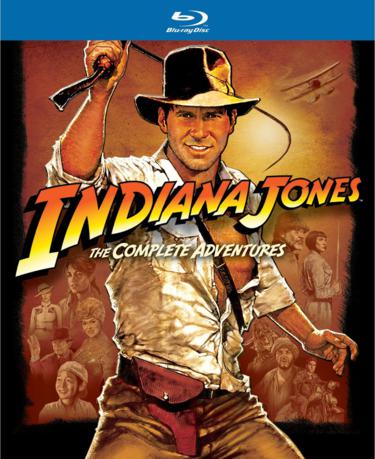
While in the released film, Indy famously just pulls out his gun and shoots the guy, that shortened version of the scene resulted from Harrison Ford being physically unable to continue to film the original, much more elaborate scene where Indy fights him off only using his bullwhip (it appears likely that some intestinal issues on Ford’s part played a major role in him being unable to film the scene). The box set shows what little they filmed of the original version. There are other notable deleted scenes in the film, of course, including one that explained how Indy was able to survive being on the Nazi submarine towards the end of the film (he ties himself to the periscope with his bullwhip). However, one of the most famous deleted scenes in the film is most famous for the fact that it doesn’t actually exist!

Read the rest of this entry »

Tags: , , , , ,

January 2nd, 2013 | Posted in Movie Legends Revealed | 5 Comments
How Did Missing Scrabble Pieces Lead to the Creation of Trivial Pursuit?

Here is the latest in a series of examinations into urban legends related to board games and whether they are true or false. Click here for an archive of all board game urban legends so far.

BOARD GAME URBAN LEGEND: For lack of a Scrabble tile, Trivial Pursuit was born.

Scott Abbott and Chris Haney were two 30-year-old Canadian journalists who were also good friends. They would routinely play Scrabble with each other, evenly matched enough that both men got a more or less equal chance to brag. However, a little before Christmas in 1979, the two men decided that they would have a knockdown, dragged out grudge match Scrabble tournament for complete Scrabble bragging rights.

That tournament would ultimately change board game history forever, for a surprising reason!
Read the rest of this entry »

Tags: , , , ,

January 1st, 2013 | Posted in Board Game Legends Revealed, Grab Bag Legends | No Comments

Did a Chess Player Once Die From Complications From Playing Chess Blindfolded?

Here is the latest in a series of examinations into urban legends related to board games and whether they are true or false. Click here for an archive of all board game urban legends so far.

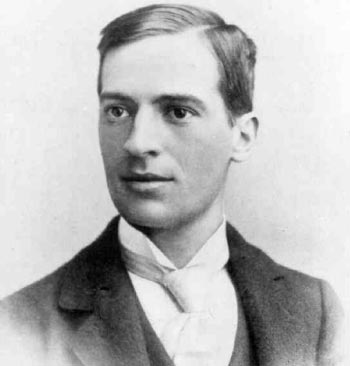
BOARD GAME URBAN LEGEND: Harry Nelson Pillsbury died due to the ill effects of playing chess blindfolded.

Harry Nelson Pillsbury was one of the most successful chess players of the late 19th/early 20th century, holding the United States Chess Championship title for almost a decade (a title he lost only upon dying).

Pillsbury mastered a unique type of chess playing to make a little extra money while playing chess. Pillsbury was a master at “blindfold chess,” which is where a player plays a game of chess strictly by memorizing where the pieces are on the board.

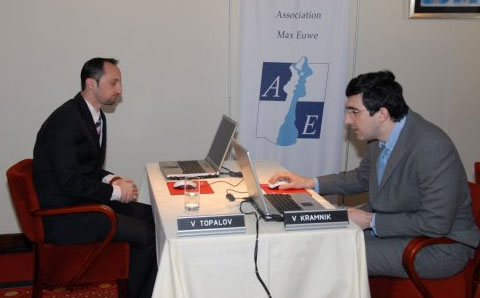
Here are some players doing a game of modern blindfold chess (the computer tracks the pieces for them)…

As you might imagine, following an entire chess game just in your memory is quite difficult.

In 1902, just four years before his death at the age of 33, Pillsbury played 22 simultaneous blindfold games of chess!!

Playing that many games in your head can be pretty difficult, and there are those that say it all takes quite a hit on your nervous system.

In fact, due to health concerns, Russia has banned blindfold chess since 1930!

So when Pillsbury suddenly became sick in his early 30s and died in 1906 at just 33, people were looking for an explanation for his death, as he did not seek any treatment for his disease.

So as the story goes, it was the blindfold chess that was killing him.

Is that true?
Read the rest of this entry »

Tags: , , ,

December 31st, 2012 | Posted in Board Game Legends Revealed, Grab Bag Legends | No Comments

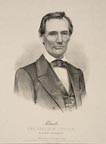
How Did Abe Lincoln Growing a Beard Kick Start Milton Bradley’s Gaming Career?

Here is the latest in a series of examinations into urban legends related to board games and whether they are true or false. Click here for an archive of all board game urban legends so far.

BOARD GAME URBAN LEGEND: Milton Bradley got into board games because Abraham Lincoln grew a beard.

Milton Bradley (1836-1911) was a Massachusetts draftsman who turned to lithography to make a living in 1860.

In 1860, Bradley lucked into one of the hottest selling lithographs of the day, a popular portrait of the man who would become President of the United States that year, Abraham Lincoln.

Massachusetts was almost universally Republican at the time, so Bradley was selling the prints constantly, and with Lincoln headed for the White House, Bradley figured he’d have a cash cow for at least the next four years.

Then, something happened that would change Bradley’s life forever.

Abraham Lincoln grew a beard.
Read the rest of this entry »

Tags: , , , ,

December 30th, 2012 | Posted in Board Game Legends Revealed, Grab Bag Legends | 5 Comments

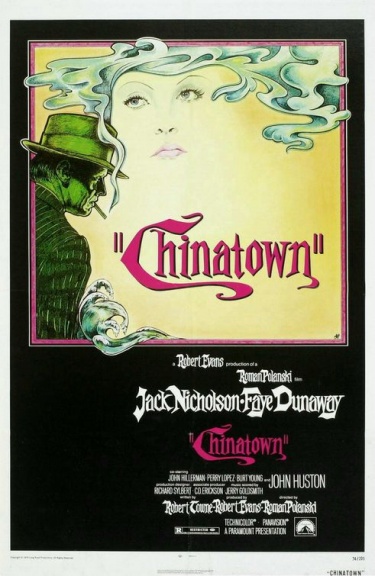
Did Chinatown Originally Have a Much Different Ending?

Here is the latest in a series of examinations into urban legends about movies and whether they are true or false. Click here to view an archive of the movie urban legends featured so far.

MOVIE URBAN LEGEND: Robert Towne’s original ending for Chinatown was about the complete opposite of the ending that Roman Polanski went with.

Robert Towne was an experienced script doctor who Robert Evans was familiar with from some work Towne did on The Godfather.

Evans tried to hire Towne to write the film adaptation of The Great Gatsby.

Towne felt he could not do the book justice, but he told Evans that he DID have a script that he thought Evans should take a look at.

That screenplay was for the 1974 film, Chinatown, which is one of the most acclaimed noir films in movie history.

Amazingly enough, though, for a film with a legendary ending, the ending that the movie ended up with is about a 180 degree turn from what Towne originally had as the film’s ending.

SPOILER WARNING FOR THOSE OF YOU WHO HAVE NOT SEEN CHINATOWN!!!
Read the rest of this entry »

Tags: , , , , , , , ,

December 28th, 2012 | Posted in Movie Legends Revealed | 1 Comment

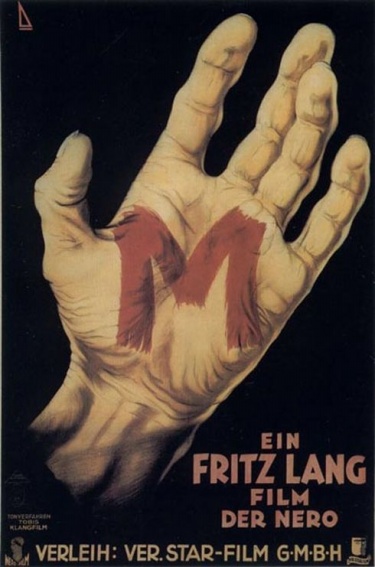
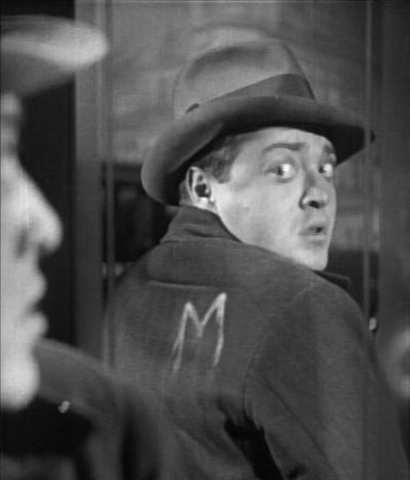
Did Fritz Lang Change the Name of His Film “M” Due to Fear of Nazi Persecution?

Here is the latest in a series of examinations into urban legends about movies and whether they are true or false. Click here to view an archive of the movie urban legends featured so far.

MOVIE URBAN LEGEND: Fritz Lang changed the title of his film, M, because he thought it sounded better and not because of any fear of Nazi persecution.

M is Fritz Lang’s classic film noir story about a child murderer played by the great Peter Lorre (the film appears to be based on Peter Kürten, a real life child killer in Düsseldorf in the early 20th Century).

I won’t go into specifics, but let’s just say that there’s a significant scene involving an “M” in the film.

Well, originally, the film was going to be called Mörder unter uns, which in English roughly translates to “The Murderer Among Us.”

I was reading the other day where it was said:

Contrary to popular belief, Fritz Lang did not change the title from “The Murderers are [sic] Among Us” to “M” due to fear of persecution by the Nazis. He changed the title during filming, influenced by the scene where one of the criminals writes the letter on his hand. Lang thought “M” was a more interesting title.

I thought, “Wow, that’s interesting – I always thought that was the reason for the change.”

Well, is that true or not?
Read the rest of this entry »

Tags: , , , ,

December 27th, 2012 | Posted in Movie Legends Revealed | 3 Comments

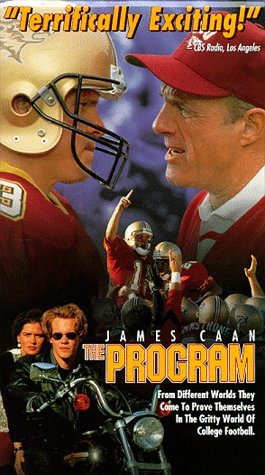
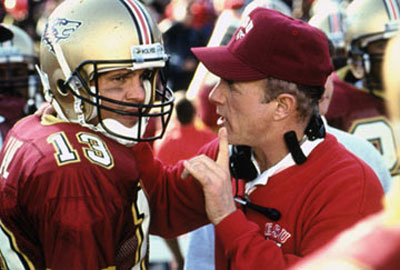
Was a Scene Removed From the Film “The Program” Because People Were Killed Reenacting It?

Here is the latest in a series of examinations into urban legends about movies and whether they are true or false. Click here to view an archive of the movie urban legends featured so far.

MOVIE URBAN LEGEND: A scene had to be removed from the film The Program because teenagers were killed imitating it.

The Program was a 1993 film about college football starring James Caan as a college football coach and Craig Sheffer and Omar Epps as two of his star players.

As far as films go, the film was pretty much standard fare. It made about $23 million at the box office – not enough to make people stand up and take notice but also not so little that people would be disappointed.

As far as sports movies go, it was probably better than most.

However, one aspect of the film that DID jump out was a scene that actually had to be removed from the film after its release!
Read the rest of this entry »

Tags: , , ,

December 26th, 2012 | Posted in Movie Legends Revealed | 5 Comments
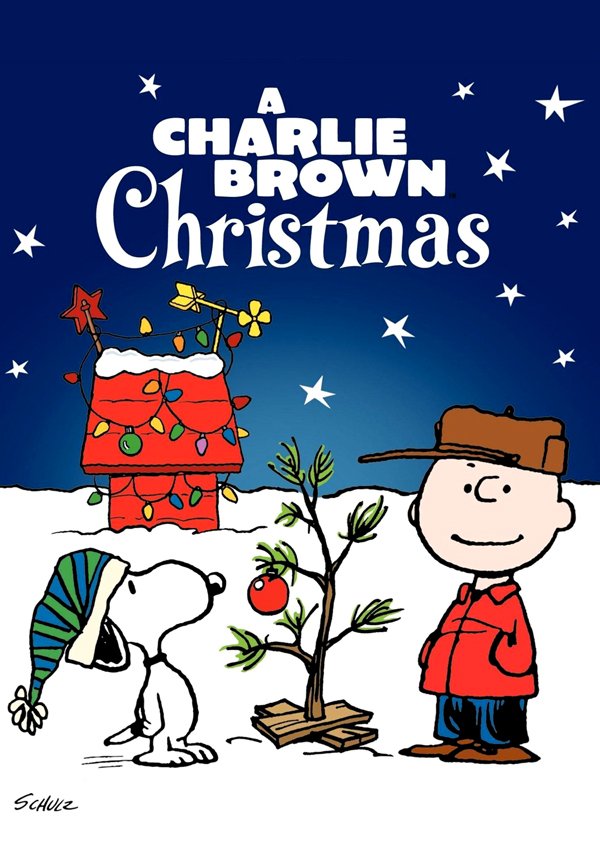
Was There Originally a Coca-Cola Ad Mixed Into A Charlie Brown Christmas?

Here is the latest in a series of examinations into urban legends about TV and whether they are true or false. Click here to view an archive of the TV urban legends featured so far.

TV URBAN LEGEND: A Charlie Brown Christmas originally had an extra scene featuring its original sponsor.

A Charlie Brown Christmas is one of those rare examples of a piece of popular culture that could truly be termed an “instant classic.” It first aired on CBS on Thursday, December 9, 1965 and was a massive ratings success. It won an Emmy Award for Outstanding Children’s Program and it also won a Peabody Award for distinguished achievement by a television program. It has aired on television every year since 1966 (up to 2000 on CBS and on ABC since 2001) and continues to be a popular program (just this year, its ratings were up 4% from last year and it won its time slot in the 18-49 demographic).

600full-a-charlie-brown-christmas-poster

The most striking aspect of A Charlie Brown Christmas is its message, a message that stood out at the time (and made TV executives nervous) and stands out even more today. The program speaks out against the over-commercialization of Christmas as well as the secularization of the holiday. Charles Schulz wished for the special to tell the “true meaning” of Christmas, which is shown in the special when Linus recites the Nativity story from the Gospel of Luke at the climax of the story. However, a fascinating somewhat less told aspect of the program was that it came about because of commercialization! In fact, the original program had two since-edited scenes featuring its original sponsor, Coca-Cola! Read on to learn about the scenes as well as the very commercial origins of A Charlie Brown Christmas.

Read the rest of this entry »

Tags: , , , , , , , , , , , , , ,

December 25th, 2012 | Posted in TV Legends Revealed | 1 Comment

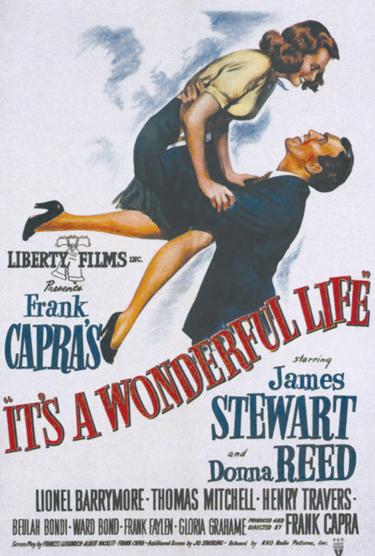
Did the FBI Believe That It’s a Wonderful Life Was Communist Propaganda?

Here is the latest in a series of examinations into urban legends about movies and whether they are true or false. Click here to view an archive of the movie urban legends featured so far.

MOVIE URBAN LEGEND: The FBI felt that It’s a Wonderful Life was communist propaganda.

Nowadays (and for quite some time), Frank Capra’s 1946 film, It’s a Wonderful Life, is viewed as a film classic and more specifically, a Christmas classic, shown on television every year in the weeks leading up to Christmas.

However, amazingly enough, in 1947, the FBI had a different view of the film.
Read the rest of this entry »

Tags: , , , ,

December 21st, 2012 | Posted in Movie Legends Revealed | 4 Comments

Did Montgomery Ward Give the Rights to “Rudolph the Red-Nosed Reindeer” Back to the Story’s Author for Free?

Here is the latest in a series of examinations into urban legends about music and whether they are true or false. Click here to view an archive of the music urban legends featured so far.

MUSIC URBAN LEGEND: The CEO of Montgomery Ward returned the rights to Rudolph the Red-Nosed Reindeer to his creator for free.

There is a dispute over just how Robert May, a copywriter for Montgomery Ward, came up with the story that became Rudolph the Red-Nosed Reindeer. The difference between the two stories is not particularly vast. In one, May is assigned a job by his boss as Montgomery Ward to come up with a story that could be used for a promotional giveaway book for the 1939 Christmas season. In the second, May came up with the story first and then was paid $300 for the rights to the story for use in a giveaway book for the 1939 Christmas season. May himself told the former version of the story in a series of articles over the years (May passed away in 1976). The latter version of the story originated with writer Ace Collins’ Stories Behind the Greatest Hits of Christmas. Collins claims that he was given access to documents from Montgomery Ward (before they went out of business in 2001) that verified his story, and that May was just going along with the story Montgomery Ward wanted (that he created the character as a work-for-hire for Montgomery Ward as opposed to Montgomery Ward buying the character’s rights from May). I could see either story being true, but for the sake of this legend, it does not really matter how we got to the point of Rudolph the Red-Nosed Reindeer being owned by Montgomery Ward so much as we got to the point where Rudolph the Red-Nosed Reindeer was, indeed, owned by Montgomery Ward.
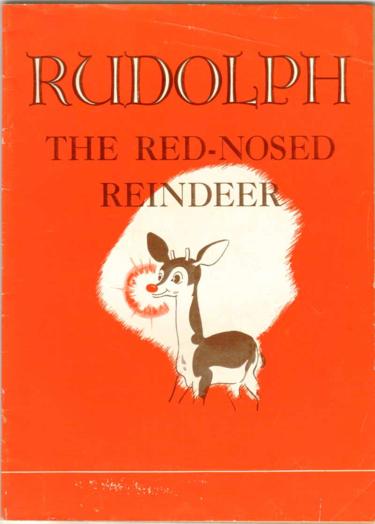
The department store chain produced over 2 million copies of the Rudolph the Red-Nosed Reindeer story as a giveaway in 1939.

It continued to be a popular giveaway until World War II began and the ceased producing the giveaway during the war (for a number of reasons, including the “German-sounding” name of Rudolph and paper raitoning concerns). When the war ended, they started making them again. They had produced 6 million copies by 1946.

Then something amazing happened.
Read the rest of this entry »

Tags: , , , , , , , , , ,

December 20th, 2012 | Posted in Music Legends Revealed | 4 Comments