Was Jon Bon Jovi’s First Professional Recording a Star Wars Christmas Song?

Here is the latest in a series of examinations into urban legends about music and whether they are true or false. Click here to view an archive of the music urban legends featured so far.

MUSIC URBAN LEGEND: Jon Bon Jovi’s first professional song recording was for a Star Wars Christmas Album.

One of the most truly bizarre pieces of popular culture is the 1978 Star Wars Holiday Special…
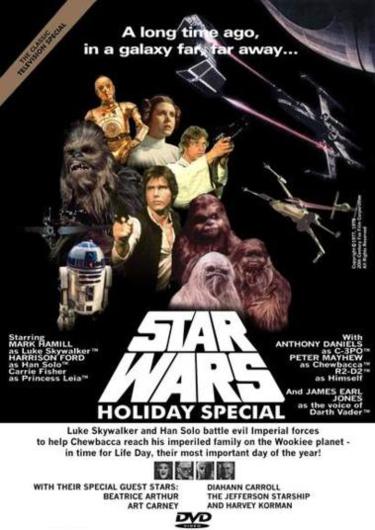
The show had little involvement from George Lucas, and has only aired once (George Lucas was never going to approve a DVD release, but perhaps the new owners of LucasFilm will think otherwise?).

So it is pretty surprising, considering the failure of the project, that just two years later the Star Wars gang was right back with another Christmas-related project.

This time it was a Star Wars Christmas album, mostly sung by Anthony “C-3PO” Daniels!

Titled Christmas in the Stars….
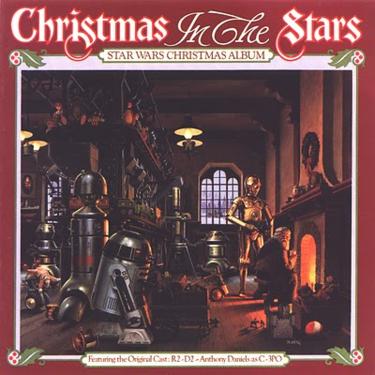
the album featured vocals by some other singers, including one very surprising young singer!

Read the rest of this entry »

Tags: , , , , , , , , , , , , ,

December 18th, 2012 | Posted in Music Legends Revealed | No Comments
Was Sondheim’s “Marry Me a Little” First Recorded Only as a Christmas Present?

Here is the latest in a series of examinations into urban legends about music and whether they are true or false. Click here to view an archive of the music urban legends featured so far.

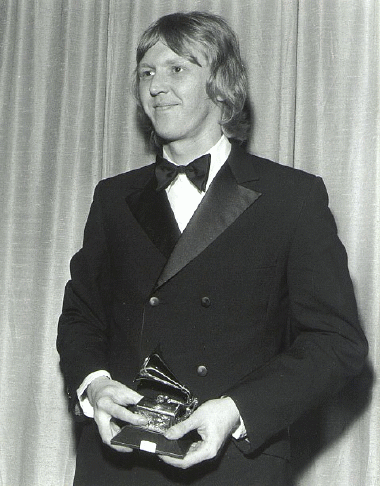
MUSIC URBAN LEGEND: Stephen Sondheim’s “Marry Me A Little” was first recorded by Harry Nilsson…as a Christmas present!

For years, fans of Harry Nilsson were wondering what exactly the deal was with Harry’s version of “Marry Me A Little” from late 1969.

The song is a great little song that was not used for Stephen Sondheim’s award-winning musical (SIX Tonys, including Best Musical and FIVE Drama Desk awards, including Best Music and Lyrics), Company, in 1970.

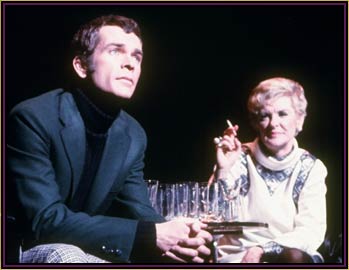
Company is about a single man in his mid-30s dealing with the single life when all his friends are either married or on their way.

The song, Marry Me A Little features this man (Bobby) wondering about marriage (as you can tell by the title, he is conflicted about it)…

Here’s a verse…

Marry me a little,
Love me just enough.
Cry, but not too often,
Play, but not too rough.
Keep a tender distance
so we’ll both be free.
That’s the way it ought to be.
I’m ready!

(HINT: He’s not really ready).

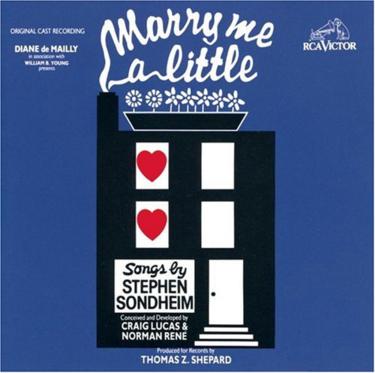
In any event, Sondheim cut the song from the show, but it was well-liked enough to be the highlight (and title track) of an Off-Broadway Musical from the early 1980s consisting only of songs Sondheim cut from his musicals…

Eventually, the 2006 revival of Company (which, again, won a bunch of Tony Awards, including Best Revival and Best Actor for the fellow who played Bobby, the great Raul Esparza) worked the song into the musical…

But in 1969, the song was still unpublished, unreleased and unrecorded – until Nilsson’s version of the song popped up on the ol’ black market. The copies of the song were not the strongest quality in the world, and Nilsson oddly enough had added a lyric, mentioning a woman “Judy” at the end of the tune (also mentioning Merry Christmas and a Happy New Year).

So what’s the deal?
Read the rest of this entry »

Tags: , , , , , , , , ,

December 17th, 2012 | Posted in Music Legends Revealed | 1 Comment

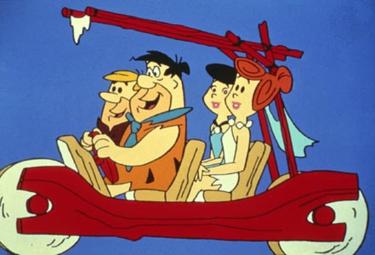
Did the Flintstones Do Commercials for Winston Cigarettes?

Here is the latest in a series of examinations into urban legends about TV and whether they are true or false. Click here to view an archive of the TV urban legends featured so far.

TV URBAN LEGEND: The Flintstones did commercials for Winston Cigarettes.

Like I have noted before, integrated commercials within TV shows was the norm in the early days of television. However, it rarely got more surreal than with the Flintstones, the prime time animated program that began airing in 1960.

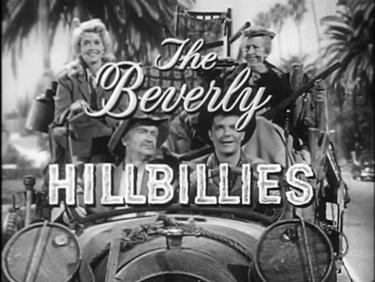
You see, one of their sponsors the first two seasons was Winston Cigarettes (just like the Beverly Hillbillies, as noted in this legend, as well).

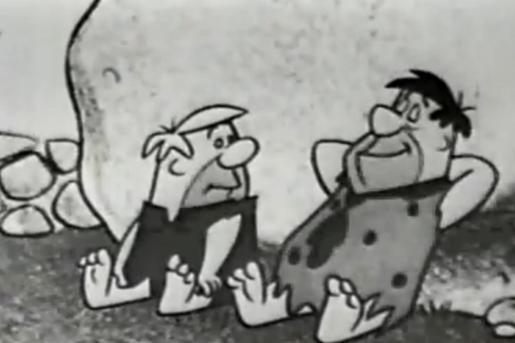
So at the end of the show, they’d do commercials for the cigarettes. It is quite surreal seeing Fred and Barney sneak off to avoid yard work…

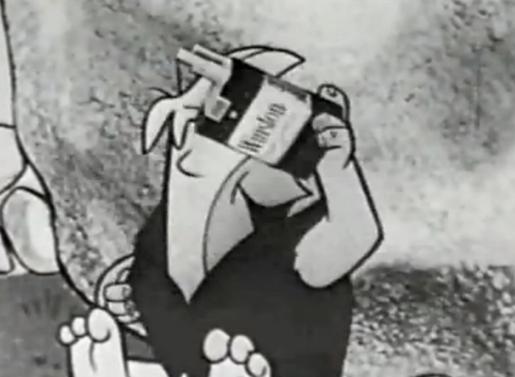
only for Barney to pull out a pack of Winston’s…

and the pair start puffing away…
Read the rest of this entry »

Tags: , , , , ,

December 9th, 2012 | Posted in TV Legends Revealed | 3 Comments

Did the Beverly Hillbillies’ Theme Song Have Alternate Lyrics for Each of Their Sponsors?

Here is the latest in a series of examinations into urban legends about TV and whether they are true or false. Click here to view an archive of the TV urban legends featured so far.

TV URBAN LEGEND: The Beverly Hillbillies’ original theme song included two alternate verses (each one about their sponsor)!

It was quite typical in the early days of television (heck, well into the 1960s, even) for the sponsor of a television program to be mentioned at the beginning of the show and even for the characters on the show to incorporate the sponsor into the opening of the show. However, it typically was a sort of tacked on part to the credits, sort of like how PBS has all of the sponsors of their shows directly preceding their programs.

To wit, after the theme song of Gilligan’s Island, you’d have Bob Denver walking on the beach and then they’d tell you the sponsor of the show. Shows would also do commercials featuring their characters at the end of show.

Beverly Hillbillies, though, did one better than most other show – they worked their sponsors into their famous theme song (and please note that I am not saying that Beverly Hillbillies was the ONLY show to do this – it is only especially notable here because the theme song is so famous)!


Read the rest of this entry »

Tags: , , ,

December 8th, 2012 | Posted in TV Legends Revealed | 3 Comments

Was the Rolling Stones’ “Wild Horses” Based On Something Marianne Faithful Said to Mick Jagger After Nearly Dying?

Here is the latest in a series of examinations into urban legends about music and whether they are true or false. Click here to view an archive of the music urban legends featured so far.

MUSIC URBAN LEGEND: The Rolling Stones’ song “Wild Horses” is based on something Marianne Faithfull said after almost overdosing.

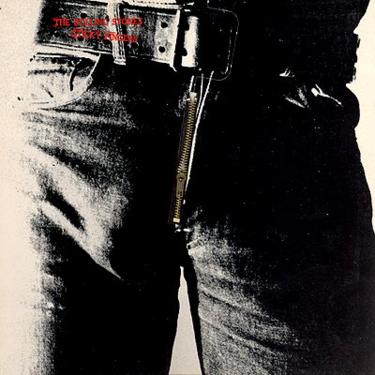
The song “Wild Horses” appears on the 1971 Rolling Stones album, Sticky Fingers.

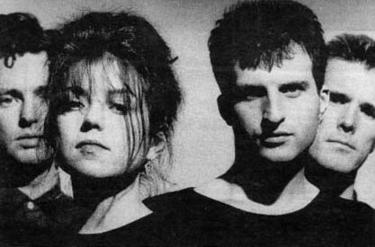
It’s likely one of the most beautiful songs that the band ever released, and it has been covered numerous times, with the most notable cover likely being by The Sundays (The Sundays’ version is the one that’s typically used in commercials).

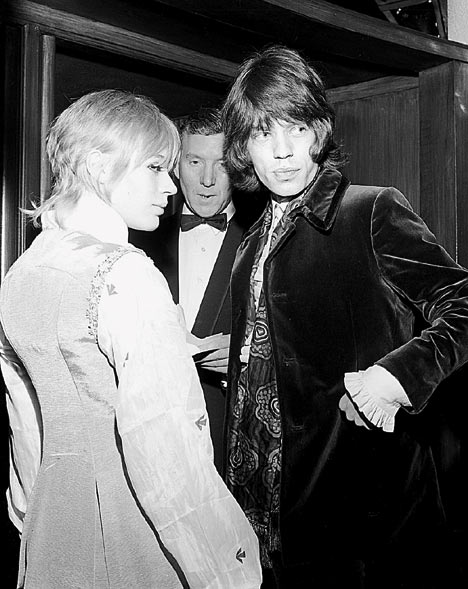
For years (heck, including right now), “Wild Horses” was said to have been written about Marianne Faithfull, Mick Jagger’s girlfriend of a number of years in the late 1960s.


Read the rest of this entry »

Tags: , , , , , , , , ,

December 5th, 2012 | Posted in Music Legends Revealed | No Comments
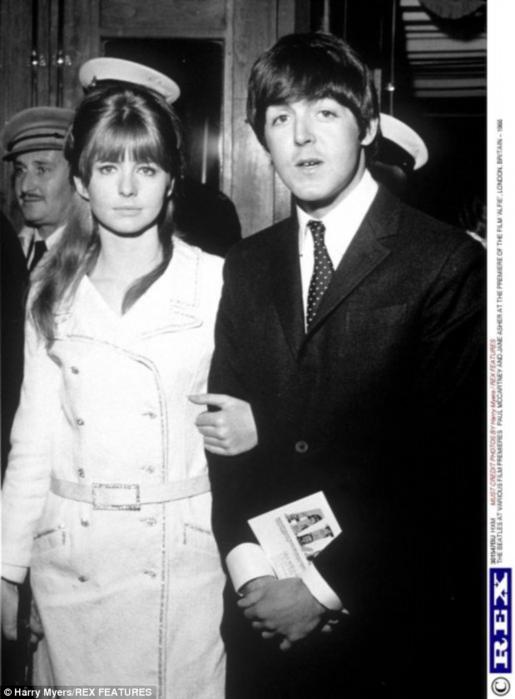
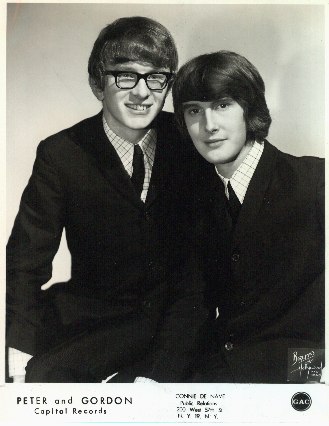
Did Paul McCartney Write a Hit Song Under a Pseudonym to See if He Could Have a Hit on Talent Alone?

Here is the latest in a series of examinations into urban legends about music and whether they are true or false. Click here to view an archive of the music urban legends featured so far.

MUSIC URBAN LEGEND: Paul McCartney once used a pseudonym for a song to see if he could write a hit song without using the fame from his name.

Imagine trying to break into the music industry in 1964.

Okay, now trying to imagine trying to break into the music industry in 1964 when your sister is dating Paul freakin’ McCartney of the Beatles!!

That was the position that Peter Asher and his friend and co-singer, Gordon Waller, were in in 1964 when McCartney helped the young duo by giving them a few unrecorded songs.

The first song, “A World Without Love” was a #1 smash hit.

McCartney gave them two other Lennon/McCartney songs (as all songs by either of the duo were credited at the time), “Nobody I Know” and “I Don’t Want To See You Again,” which were both hits.

Then, McCartney had a thought. Read the rest of this entry »

Tags: , , , , , , , ,

December 4th, 2012 | Posted in Music Legends Revealed | 7 Comments

What Lengths Did Petula Clark Go to to Keep a Scene With Harry Belafonte From Being Cut From Her TV Special?

Here is the latest in a series of examinations into urban legends about music and whether they are true or false. Click here to view an archive of the music urban legends featured so far.

MUSIC URBAN LEGEND: Petula Clark went to extreme great lengths to keep a scene between Harry Belafonte and herself in a TV special she made in 1968.

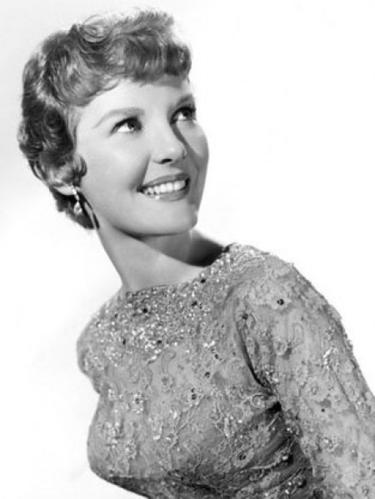
Petula Clark was one of the most popular recording artists of the 1960s (she already had had a long career by the time the 60s came around, as she had been performing professionally since the late 1930s, when she was only 7 years old!!! So she was one of the most world-weary Thirtysomething when she had her big hits int he 60s).

Her song “Downtown” was the biggest hit of her career, in 1964.

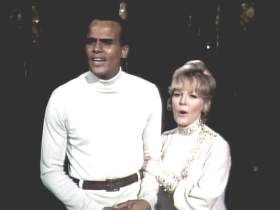
In early 1968, Clark was given the chance to host her own special on NBC. She had, as a guest star on the program, the popular singer and noted civil rights activist, Harry Belafonte.

The show made waves when, during the performance of an anti-war song written by Clark, “On the Path of Glory”, Clark locked arms with Belafonte.


Read the rest of this entry »

Tags: , , , , , ,

December 3rd, 2012 | Posted in Music Legends Revealed | 5 Comments

Did Dragnet’s Police Liaison Eventually Take Joe Friday’s Badge as His Own?

Here is the latest in a series of examinations into urban legends about TV and whether they are true or false. Click here to view an archive of the TV urban legends featured so far.

TV URBAN LEGEND: The police liaison to Dragnet ended up taking Lieutenant Joe Friday’s badge number when he made Lieutenant.

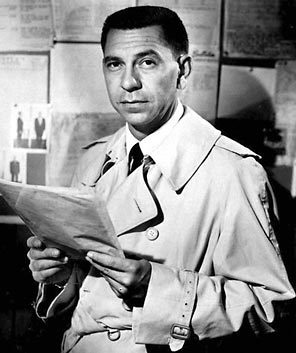
Jack Webb’s character, Sergeant Joe Friday, is one of the most popular cops in TV history. But in fact, Friday was around even before the TV series that he starred on, Dragnet, existed.

Webb created (Webb wrote, produced AND starred on the show) the no-nonsense Los Angeles Police Department (LAPD) detective for radio, where the radio show Dragnet ran from 1949-1956. Webb’s creation, a generally realistic look at crime-solving, was revolutionary in its approach.

A great part of the realism of the show came down to the cooperation with the LAPD, who certainly were not displeased with how impressive Webb made them look on the show.

A little more than two years into the show’s run on radio, Webb took the program to television, where it ran from 1951 to 1959.

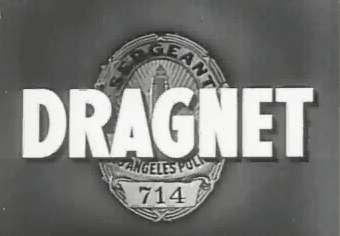
The badge used on the show (714) was originally worn by LAPD officer Dan Cooke.

At the end of the show’s run, Friday had been promoted to Lieutenant, with a Lieutenant’s badge number 714, to boot.

Almost a decade later, Dragnet returned to television, this time in color (with Harry Morgan now as Webb’s partner)…
Read the rest of this entry »

Tags: , , , , , ,

November 30th, 2012 | Posted in TV Legends Revealed | 1 Comment

Was an All My Children Storyline Cut Short by the Oklahoma City Bombing?

Here is the latest in a series of examinations into urban legends about TV and whether they are true or false. Click here to view an archive of the TV urban legends featured so far.

TV URBAN LEGEND: All My Children cut a storyline short in the middle of it because of the Oklahoma City bombing.

The horrific April 19, 1995 bombing of the Alfred P. Murrah Federal Building in Oklahoma City, OK by Timothy McVeigh, was one of the most tragic days in United States history, with 168 dead and over 800 wounded.

As horrific as the day was, you can only imagine what the producers of All My Children were thinking when they realized that their April 19th episode had to do with a bomb plot!!
Read the rest of this entry »

Tags: , , , , ,

November 29th, 2012 | Posted in TV Legends Revealed | 4 Comments

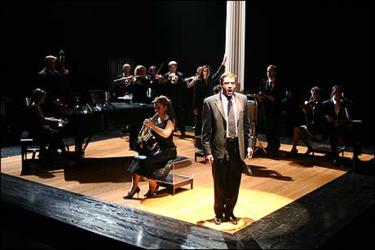
Did Richard Wilbur Write the Lyrics to “Glitter and Be Gay”?

Here is the latest in a series of examinations into urban legends related to opera and operettas and whether they are true or false.

OPERA URBAN LEGEND: Richard Wilbur, two-time Pulitzer Prize winner for Poetry and the second United States Poet Laureate, actually wrote the lyrics to a number of songs from Candide, including “Glitter and Be Gay.”

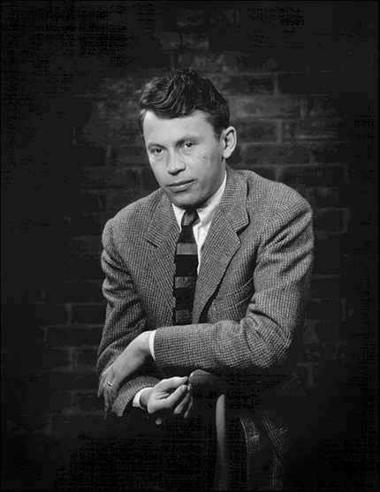
Richard Wilbur (born in New York City in 1921) is one of the very best poets of the second half of the 20th Century, and even in the 21st Century he has continued his same, steady delivery of excellent poetry.

Wilbur, like most of the men in his generation, fought in World War Two. Wilbur served in the Army during the war and saw quite a bit of action in Europe from 1943 until the end of the war. His war experiences clearly influenced his poetry dramatically, as much of his most celebrated early work concerned itself with putting order to a chaotic post-War world.

Wilbur’s work, while beautiful, is written in a traditional style, similar to the work of Robert Frost. During the second half of the 20th Century, however, a more non-formalist style became the more celebrated style of poetry among critics, like the confessional poets Slyvia Plath, Robert Lowell and John Berryman (all peers of Wilbur, but all three killed themselves decades ago while Wilbur is still alive today).

Because of this, Wilbur sometimes almost seems to be overlooked in poetry history, as his work does not leap out as much stylistically, but he has significant amounts of accolades. He won the Pulitzer Prize for Poetry in 1957 and 1989 and he was named the second Poet Laureate of the United States in 1987 (the position existed for many years before 1987, it just wasn’t CALLED that until 1986).

However, one facet of his career that really has been overlooked is he actually did song lyrics for an operetta!!
Read the rest of this entry »

Tags: , , , , , , , , , , , , , , ,

November 28th, 2012 | Posted in Grab Bag Legends, Opera Legends Revealed | 2 Comments